

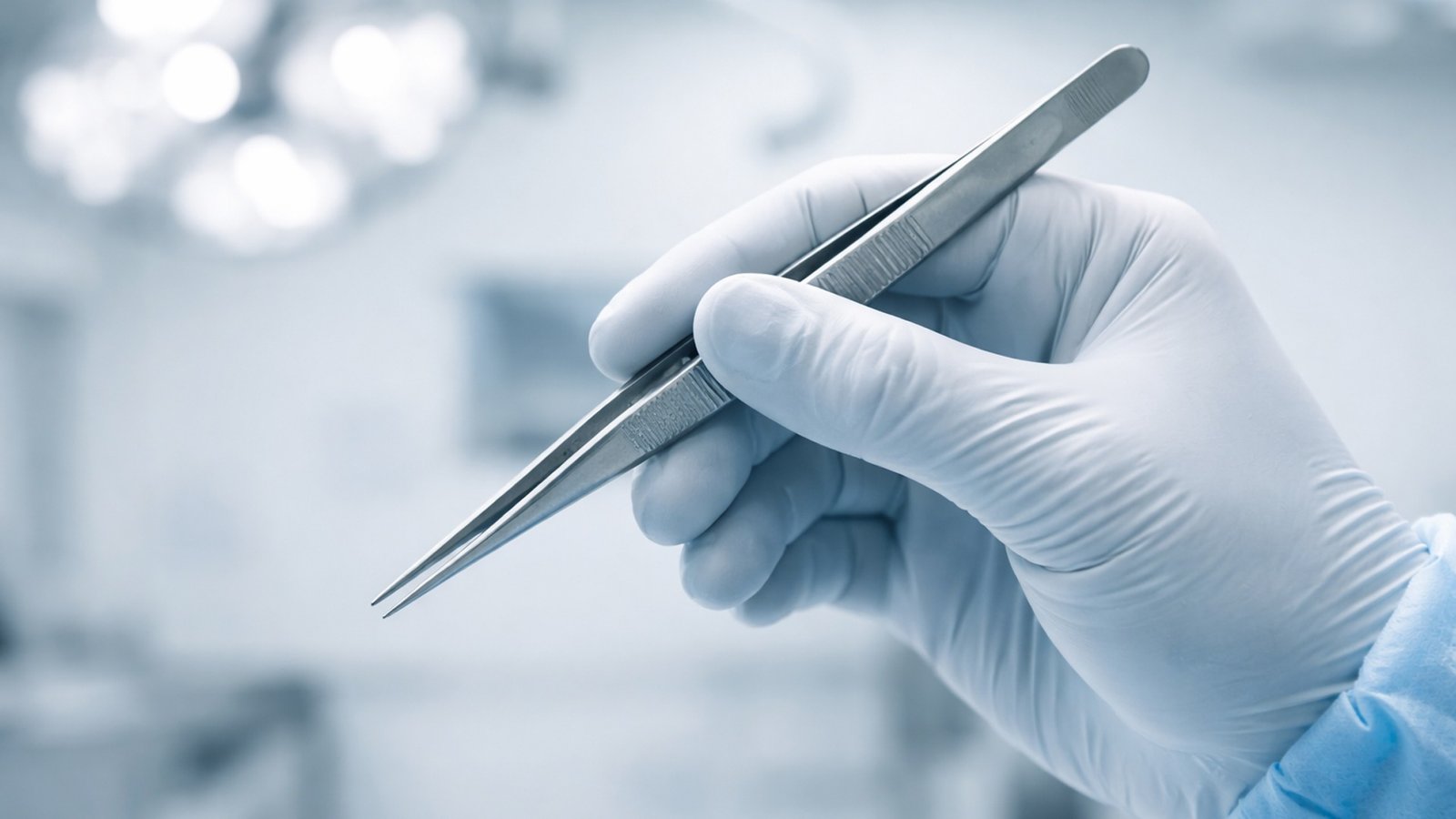
In contemporary healthcare, accuracy-based tools are crucial in realizing effective and safe surgical outcomes. Amongst them, surgical forceps, especially tissue forceps, are vital in helping surgeons in the accuracy and control of the tissues. These are highly specialized tools that are extensively utilized in many medical specialties, both general and extremely delicate interventions, where the tiniest move can affect patient outcomes. They are so designed and functional that they are essential to keep efficiency and precision when using forceps as a surgical instrument.
More popularly known as medical forceps, these surgical tools are designed to grip, hold, and manipulate tissues and cause minimal harm. In either sensitive tissue handling or a tough grip during suture, forceps help surgeons to carry out operations with certainty and steadiness. Being an essential element of general instrument toolkits, they not only increase the control of the procedure but also play a crucial role in patient safety and quicker recovery, as well as the overall surgical excellence.
What Are Tissue Forceps?
Tissue forceps are surgical forceps that are handheld and used to grasp, hold, and manipulate tissues during medical interventions. They are made with fine tips and comfortable control to enable the surgeon to work with the tissues with precision and minimize the risk of damage.
Their use is both in general surgery and orthopedics, gynecology, and microsurgical operations, where precision in handling is needed to achieve the best results.
Types of Tissue Forceps
Surgical forceps used to take tissue in a surgical procedure are available in a wide range of designs that address the specific needs of each surgical procedure. The type of choice guarantees accuracy, minimizes tissue trauma, and has a positive effect on general surgical performance. Knowledge of their functions assists the surgeons in attaining the best results during both delicate and complex surgeries.
Dressing Forceps
Dressing forceps are lightweight tools with rounded ends, specially made to manipulate sterile dressings, gauze, and delicate tissues in a surgical area. They have smooth designs which reduce trauma, hence are good at non-invasive work. They are usually applied in handling delicate soft tissue and keeping the operating room clean.
Uses:
- Safety in working with sterile materials.
- Helping with wound care and changing dressings.
- Reducing the trauma to the soft tissues during the procedures.
Thumb Forceps (Non-Toothed)
Plain forceps, also called thumb forceps, have serrated ends, but no teeth, so they can be used to hold soft and fragile tissues without damage. Their ergonomic nature guarantees precision in control, thus necessitating delicate manipulation of the tissues. They are common forceps in surgery when one requires minimal pressure to avoid trauma.
Uses:
- Working with delicate tissues in surgery.
- Popular in plastic surgery and general surgery.
- Minimizing the trauma of tissues and being in control.
Toothed Tissue Forceps
The teeth of toothed tissue surgical forceps are small and hooked together at the end, which enables a tight grip on harder tissues like skin, fascia, or connective tissue. They are made to avoid slipping under controlled handling. This renders them very appropriate in the processes where firm tissue gripping is necessary.
Uses:
- Grasping skin and connective tissue securely
- Grasping tissue firmly when suturing.
- Vital in procedures that involve high tissue control.
Adson Forceps
Adson forceps are delicate, sharp tools, either toothed or non-toothed, and are suitable for working with sensitive tissues. Their smallness and precise tips render them ideal for dermatological, plastic, and microsurgeries. These forceps assist surgeons in doing more complex suturing and tissue handling more precisely.
Uses:
- Applied in extensive surgical processes.
- Perfect for dermatological and plastic surgeries.
- Improving accuracy when suturing and handling tissues.
Rat-Tooth Forceps
Rat-tooth forceps have a unique tooth arrangement that gives them a firm grip on thick tissue. They enable the surgeons to grasp thick or fibrous tissue and not slip away, which is important in healing wounds. They are designed in a way that provides safety and control during the handling of high-tension.
Uses:
- Holding thick or dense tissues securely
- Frequently used in wound closure and suturing
- Preventing tissue slippage during delicate handling
Russian Tissue Forceps
The Russian tissue surgical forceps have wider edges and are spoon-shaped with serrations, which are designed to cut bigger or thicker tissues without injuring them. They offer a good grip and cause little tissue trauma and are suitable for abdominal, gynecological, and general surgeries. Their distinctive design enables them to be easily manipulated to handle heavy or sensitive tissue during procedures.
Uses:
- Dealing with thick tissues during abdominal and gynecological surgeries.
- Giving a strong but not so traumatic grip.
- Enabling easier handling of heavy or sensitive tissue.
The Role of Tissue Forceps in Surgical Procedures
Tissue is not simply a surgical forceps; they are part of the surgeon and offer precision, stability, and control during the operation. They play a vital role in correct tissue handling, risk reduction, and helping to achieve the success of surgical procedures. These tools are used in major surgeries and minor procedures and help to achieve efficiency and patient safety.
Precision and Control
Tissue forceps will allow surgeons to manipulate tissues with a high level of accuracy, which is particularly necessary during procedures that are delicate and high-risk. Their small tips and ergonomic features can enable them to be controlled, limiting the likelihood of an error when using forceps to perform surgery. This degree of accuracy is vital during operations in the vicinity of structures that are delicate, like nerves, blood vessels, or soft tissues. Consequently, the surgeons will be able to work with more confidence and attain improved clinical outcomes.
Minimizing Tissue Trauma
One of the primary roles of tissue surgical forceps is to reduce unnecessary damage to tissues during handling. High-quality medical forceps are designed to apply balanced pressure, preventing crushing or tearing of delicate structures. This is particularly important in surgeries where tissue preservation directly impacts healing and recovery. By minimizing trauma, these instruments help reduce complications, promote faster healing, and improve overall patient outcomes.
3. Enhancing Surgical Efficiency
Using the appropriate type of forceps significantly improves surgical workflow and efficiency. When surgeons have the right instrument for a specific task, they can work more smoothly and with fewer interruptions. This not only reduces the overall duration of the procedure but also decreases fatigue for the surgical team. Improved efficiency ultimately contributes to better time management in operating rooms and enhances the quality of care provided.
4. Supporting Sterility and Safety
Forceps surgery plays a vital role in maintaining a sterile surgical environment. They allow for the safe handling of tissues, dressings, and other materials without direct contact, reducing the risk of contamination. A high-quality forcep ensures adherence to strict hygiene and sterilization standards, supporting patient safety. Their proper use helps prevent infections and ensures compliance with global healthcare protocols and regulations.
How Surgeons Choose the Right Tissue Forceps
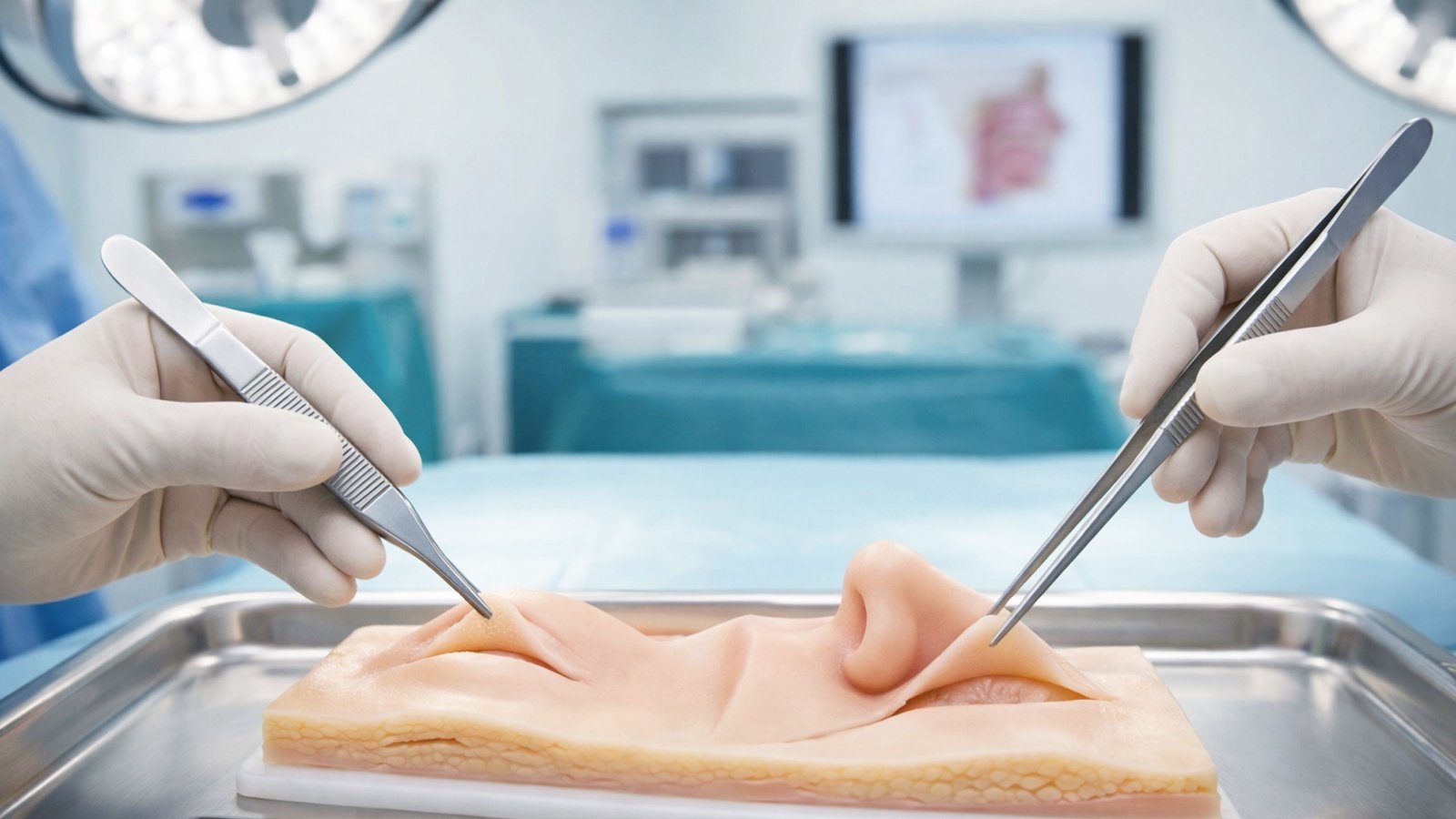
The selection of the appropriate forceps is dependent on a number of factors. The former is the tissue type, i. e., types of surgical forceps. The skin and fascia tend to need a stronger grip,p whereas the vessels, bowel, or other delicate tissues are supposed to be handled more gently. The second is the type of procedure. Fine plastic, vascular, and reconstructive surgery might need lighter forceps, whereas general surgery can have a wider selection of designs. Surgeon preference and familiarity also play an important role.
Why Tissue Surgical Forceps Matter More Than They Seem
They may be just basic surgical tools, but they directly impact the safety of how tissue is handled. A secure grip prevents slipping, and an atraumatic grip prevents damage to delicate structures. By so doing, tissue forceps facilitate the preservation of the tissue and accuracy during a surgery. They are not only useful to hold tissue, but also assist the surgeon to work with confidence and control during the procedure.
Conclusion
Tissue forceps are fundamental to surgical success. Since there is a need to be gentle in handling delicate tissues and firm in complex procedures, each type has a designated purpose, which leads to precision, safety, and efficiency in the operating room.
Investing in high-quality tissue surgical forceps is not only a matter of instruments to healthcare providers and procurement professionals; it is also a matter of providing better surgical outcomes and patient safety at all levels.
Faqs
What are the different types of tissue forceps?
Surgical forceps. Tissue surgical forceps are surgical instruments used to hold and manipulate tissues, in two types: toothed and smooth. Toothed forceps give a solid hold to tougher tissues, and smooth forceps have less tissue damage and are suitable for delicate structures.
What are normal tissue forceps?
Surgical procedures or laboratory work involve the use of tissue forceps to hold and manipulate delicate tissues. They are fine-tipped and usually carry small teeth or serrations, which give a safe hold on the tissue, though not harming it.
How do surgeons choose the right tissue forceps?
Surgeons choose forceps depending on the nature of the tissue, the complexity of the procedure, and the precision needed. The correct option will provide increased control and reduce the chance of tissue damage.
What is the role of forceps in suturing?
Forceps are used to support and stabilize tissues and place sutures perfectly. They ensure proper alignment of tissue edges for effective wound closure.
What is the difference between dressing forceps and tissue forceps?
Dressing forceps are primarily applied in working with such materials as gauze and dressings. Forceps in tissues are designed to hold and manipulate body tissues.
One Response