

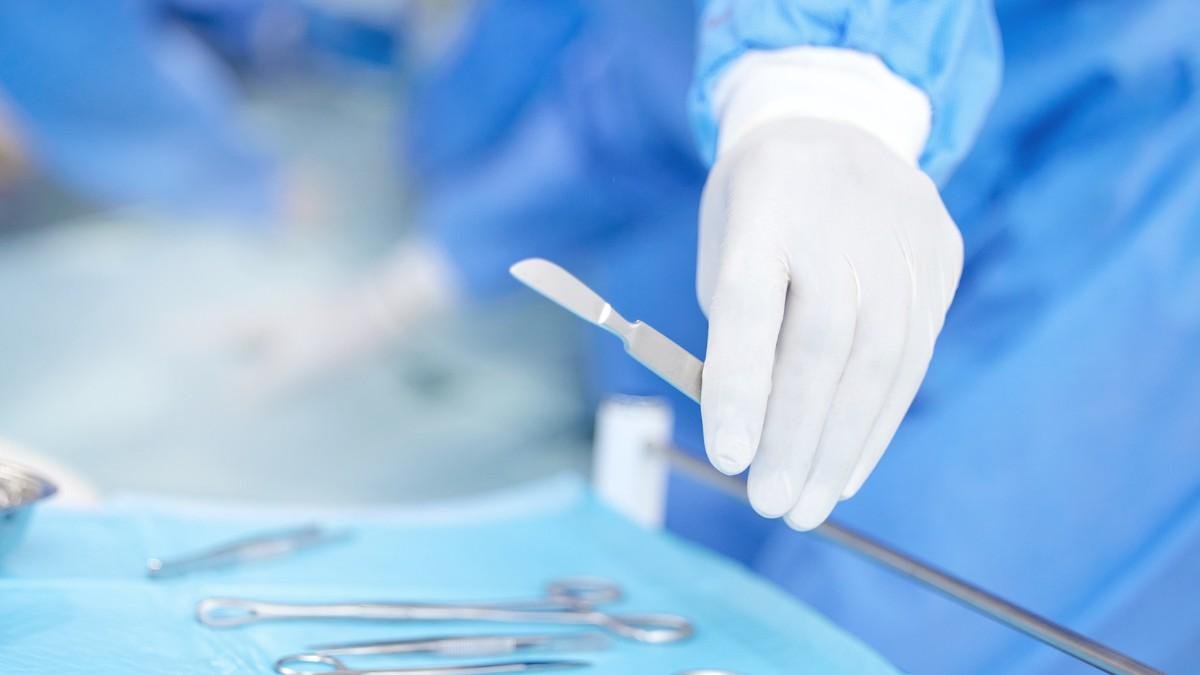
Surgical scalpels used in surgery are one of the most important devices in the modern health care system, as they are essential in providing accuracy and control in surgical operations. A scalpel, one of the surgical instruments, is essential in making the correct incisions in routine or complicated procedures. The market report has indicated that the global surgical equipment market will reach USD 21.2 billion in 2025, according to a recent 2026-2034 market report, but is expected to increase dramatically, as a result of an increasing number of surgical procedures, the development of new medical technology, and a growing health care infrastructure around the world.
This development underscores the fact that there is an increasing need to have high-quality surgical instruments that are necessary to have optimal clinical outcomes, such as scalpel surgical and surgical scalpel blades.
With the ever-growing number of surgical procedures performed all over the world and the use of more advanced and minimally invasive methods by the healthcare supply chain system, the role of precision tools such as surgical scalpels has become even more urgent. It is important to identify the various kinds of scalpel surgical instruments and their uses to healthcare providers, procurement professionals, and distributors who require effective, compliant, and performance-driven surgical solutions.
What Is a Surgical Scalpel?
A surgical scalpel is a small, sharp tool utilized in cutting openings in the skin and other tissues during the medical processes. Scalpels are typically made up of a handle and either a removable or permanently attached blade, and are designed to provide the user with unparalleled accuracy and control. They are extensively applied in many medical innovations specialties, such as general surgery, orthopedics, cardiology, gynecology, and dermatology.
Scalpels are made of high-grade materials like stainless steel or carbon steel so that they last long, are sharp, and meet international medical innovations standards. They are designed in such a way that a surgeon can do a delicate procedure with accuracy to reduce the risk of complications and enhance patient outcomes.
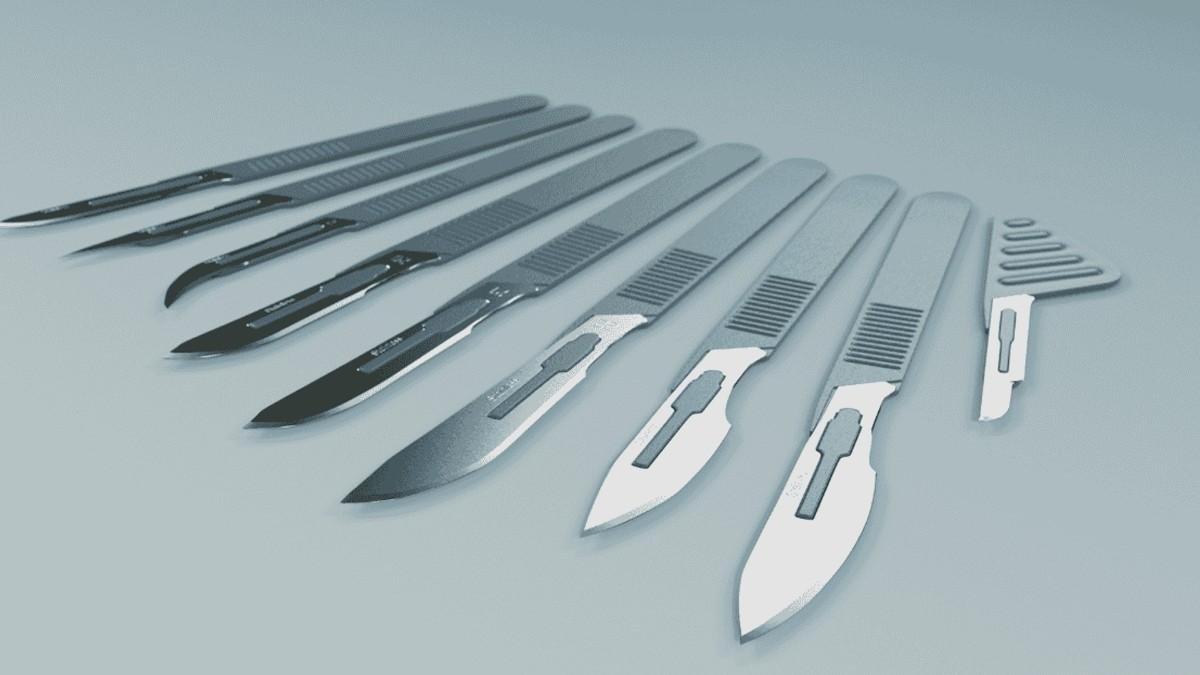
Main Types of Surgical Scalpel Blades and Their Uses
No. 10 Blade
This kind of surgical scalpel blade 10 has a curved cutting edge, which makes it suitable for large skin incisions. It is usually applied in general surgical operations and autopsies where smooth and accurate cuts are needed.
No. 11 Blade
The surgical scalpel blade 11 has a beveled triangular shape with a very sharp pointed tip. This design renders it very appropriate to the procedures that involve the insertion of chest tubes, drainage of abscesses, and other accurate stab incisions that need accuracy in their execution.
No. 12 Blade
This blade features a hook-shaped design, providing enhanced precision and control. It is generally utilized in the ENT and dental fields where curved and controlled cuts have to be made with a special surgical scalpel blade.
No. 15 Blade
The blade is tiny and curved and used to perform short and delicate incisions. It is particularly common in pediatric surgeries and nose surgeries, where it is necessary to be very precise and use surgical scalpel blades to cut finely.
No. 20 Series Blades (20, 21, 22)
These bigger blades are used in major surgeries such as orthopedic surgery and abdominal surgery, as the incisions required are deeper and wider. These surgeries usually demand a scalpel surgical tool, which is long-lasting to be done successfully.
Latest Trends in Scalpel Technology (2026–2027)
The surgical instrument business is an ongoing development that emphasizes accuracy, safety, and sustainability. The following are some of the focal trends in the evolution of modern scalpel surgical tools in 2026 and onwards:
- State-of-the-Art Ergonomic Designs: The latest generation of surgical scalpels has an improved ergonomic handle that will ease strain on the hand, increase trip stability, and allow the scalpel to perform more complex and demanding surgeries with a more controlled grip.
- Smart and AI-Assisted Surgical Tools: AI-based systems are the new generation of tools that help surgeons plan and guide incisions, making them more accurate and less prone to human error than critical procedures.
- Sustainable and Biodegradable Materials: The trend is moving towards eco-friendly scalpel blades and surgical solutions, such as biodegradable and recyclable materials that can reduce the amount of medical waste without affecting performance.
- Precision-Engineered Blade Technology: The current surgical scalpel blades are being designed to have better sharpness, durability, and precision on the micro level, which helps to enable the minimally invasive and highly specialized surgical procedures.
- Integration with Minimally Invasive Procedures: With the trend towards less invasive procedures in healthcare, scalpels are undergoing optimization to fit higher-order surgical techniques, which will deliver improved patient care and shorter recovery periods.
These innovations demonstrate the continuing change in surgical equipment, as procedures are safer, more efficient, and environmentally responsible to address the needs of the global health systems.
Different Surgical Fields and Different Types of Scalpels
Surgical instruments such as a scalpel are used differently in various medical specialties, with each different procedure demanding varying levels of accuracy, blade geometry, and manipulation. The use of the right scalpel blades of surgery and the use of a reliable surgical scalpel handle are necessary in order to achieve accuracy, safety, and the best surgical results.
General Surgery
When working in general surgery, when a wide variety of surgeries are performed, including tissue incision, treatment of pathology, and diagnostic surgeries, versatile blades such as No. 10 and No. 22 are commonly used. These processes normally involve a long-lasting surgical scalpel handle and sharp surgical scalpel blades to enable controlled and effective cutting of the various tissue types.
Cardiovascular Surgery
The procedures of cardiovascular surgery involve the highest level of precision because blood vessels are delicate. No. 11 and No. 15 blades are often applied as a scalpel surgery system in such scenarios, which enables surgeons to make precise and minimally invasive incisions to access the vascularity and intervene.
ENT & Dental Surgery
The curved No. 12 blade is often used by ENT and dental professionals, and works well in tight and hard-to-reach anatomical areas. The accuracy of the surgical scalpel blades that are specialized also provides safety in cutting in the narrowest of operative areas with minimum tissue trauma.
Plastic Surgery
Aesthetics and precision are very important in plastic and reconstructive operations. The No. 15 blade is favored by surgeons as it can give fine, controlled cuts. The integrated use of a highly accurate scalpel surgery methodology and quality blades contributes to the attainment of clean cuts, which favor faster recovery and aesthetic results.
Orthopedic Surgery
Orthopedic surgeries usually deal with more resistant and deep tissues. This is why the blades of No. 20 and No. 22 are widely used, with a robust surgical scalpel handle to provide stability and force control when slicing through tough structures.
Top Scalpel Brands Surgeons Trust in the USA
The type of surgical blade scalpel names have earned the trust of doctors in the United States, with several manufacturers. When buying surgical instruments, it is advisable to look for the following:
- Strict stainless steel, which has also been certified by the ISO certification organization.
- In addition, it should bear the CE mark on it, indicating that the item is rightfully permitted to be imported.
- The blade must have FDA approval, which assures that the product is of the required quality and safety standards.
- The certificates serve as an assurance that the product is of high quality, the manufacturing process is well structured, and there is security.
Conclusion:
The choice of a suitable scalpel is the main thing in getting perfect surgery. This involves the selection of the best scalpel to use in dermaplaning, as well as the other special-cut blades, which are highly complicated procedures, and each blade is a specialized tool. A plethora of surgeons’ instruments is now available, thanks to technological advancements, which have also brought benefits to practitioners and patients.
What would you consider the best surgical instrument that you would use in surgery? Amg Medical can assist you in case you are yet to understand what kind of surgical scalpels would best fit your surgical requirements. All you need to do is call us and get a free consultation, or ask our company to work on the tailor-made quote and begin.
FAQS
Which is the most used surgical scalpel?
The No. 10 blade is among the sorts of surgical blade scalpels that were frequently utilized a few years ago. A more precise method of surgery is performed by the blade because it has the characteristic of a curved cutting edge, which is why it is frequently used in surgeries such as general surgery, for extensive skin cuts.
What is the frequency of changing surgical scalpels?
Blade replacement should be performed in each procedure, in case of the reusable blades. Disposable scalpels are meant to be employed only once in a procedure, and at this stage, the entire item is supposed to be placed on the right-hand side of the medical waste disposal guidelines.
What is the difference between a scalpel and a surgical knife?
Both are often termed the same, almost like they are the same thing. But in the example of a scalpel, it is rather a detachable blade,e and this is a more characteristic feature of the term precision instruments than knives with a fixed blade. The fixed blade can be as short as the knife,f,e in addition to the option of alternating.
How are scalpel blades sterilized?
Surgical dermaplaning blade sterilization, in most instances, is an autoclave procedure wherein reusable blades are designed in such a way that they can be used with the autoclave machines, which, in turn, comprise the autoclave procedure with high-pressure steam.