

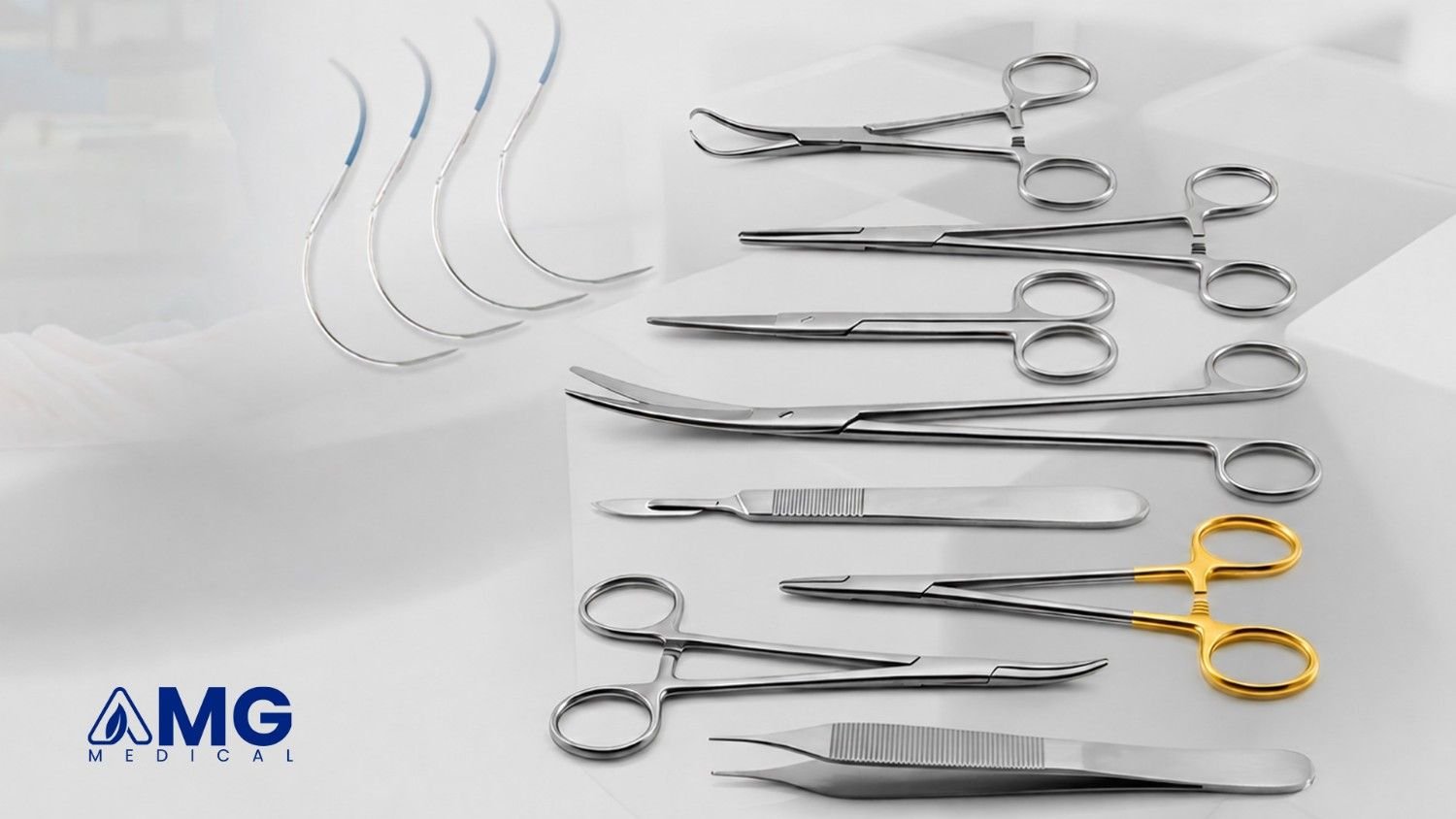
The modern healthcare industry is undergoing a significant shift towards precision engineering, digital innovation, and an increasing expectation on behalf of patients worldwide. Global healthcare procurement insights show that over 70% of surgical supplier complications stemming from equipment problems are due to low-quality or inconsistent equipment, not to surgical error. This is an important point to make: the reliability of the instruments being used is just as important as surgical skill when it comes to safe surgery.
Precision, reliability, and patient safety are essential in modern healthcare. Whether in routine practice or advanced surgical interventions, the quality and functionality of surgical instruments and medical equipment are critical to achieving successful results. For this reason, the role of trusted suppliers in the surgical supply industry is of great importance in the context of global hospitals, clinics, and healthcare systems.
It used to be the case that buying surgical supplies meant buying instruments only. It’s about adherence, quality assurance, minimizing risk, and enhancing patient care. In the ever-evolving landscape of healthcare, trustworthy surgical suppliers have emerged as key allies in the fight for modern medicine.
Precision surgical instruments manufacturers and reliable surgical solutions are key to helping healthcare professionals and delivering superior patient results globally, and at AMG Medical, we embody this commitment.
The Growing Importance of Quality in Surgical Care
Surgical procedure needs to be accurate with consistency. No matter how small the problem is with a surgical instrument, it can impact efficiency, surgical procedure and patient results. That is why healthcare suppliers are looking for those to provide reliable products and adhere to international quality standards.
Trustworthy surgical suppliers guarantee that healthcare centres receive:
- Precision-engineered surgical instruments
- Medical equipment: Sterile and safe medical equipment
- Consistent product quality
- Reliable inventory availability
- Regulatory-compliant products
- Long-term procurement support
There’s not a lot of room for compromise in modern operating rooms. When surgeons use high-quality surgical instruments, they perform procedures with confidence and do so with efficiency and reduced risks of complications.
Patient Safety Starts with Reliable Surgical Instruments
One of the primary reasons that trusted surgical supplies are important is patient safety. Surgical instruments are required to satisfy tight medical and manufacturing requirements at hospitals and healthcare providers.
Inconsistent or substandard instruments can result in:
- Surgical delays
- Instrument malfunction
- Increased infection risks
- Reduced procedural accuracy
- Additional operational costs
Good suppliers will concentrate on quality assurance, testing, and compliance to lower these dangers. They stick to international standards like ISO, CE, and FDA to make sure that healthcare organizations are getting products they can trust.
By collaborating with reputable surgical instrument manufacturers, healthcare providers can enhance patient care and minimize unnecessary risks during surgeries.
Supporting Healthcare Efficiency and Performance
In modern hospitals, there are a lot of patients on duty, and there are hectic surgeries. Unreliable equipment suppliers can cause delays, affecting workflows and healthcare delivery.
Healthcare facilities can benefit from the help of trusted surgical supplies by:
Consistent Product Availability
A reliable supplier would maintain a solid stock control system and have a worldwide distribution network for its products so that hospitals are able to receive these products within the required time frame.
Standardized Product Quality
Ensuring uniformity in instruments will enable surgical teams to operate more efficiently and confidently.
Faster Procurement Processes
Reliable suppliers make it easy to see how they are communicating, their catalogs are organized, and they have a reliable logistics system.
Technical and Product Support
Professional suppliers can offer advice, documentation, and support that can assist healthcare organizations in making informed purchasing decisions on surgical equipment and supplies.
In the healthcare industry, where surgical operations rely heavily on quality manufacturing and robust customer support, these practices continue to play a crucial role at AMG Medical.
At AMG Medical, these practices are still essential for ensuring that surgical operations run smoothly in healthcare organizations that put emphasis on quality manufacturing and customer support. Reliable suppliers can also enhance surgical outcomes and facilitate a smooth healthcare system operation in a fast-paced medical environment.
Common Surgical Instruments Used in Modern Medicine
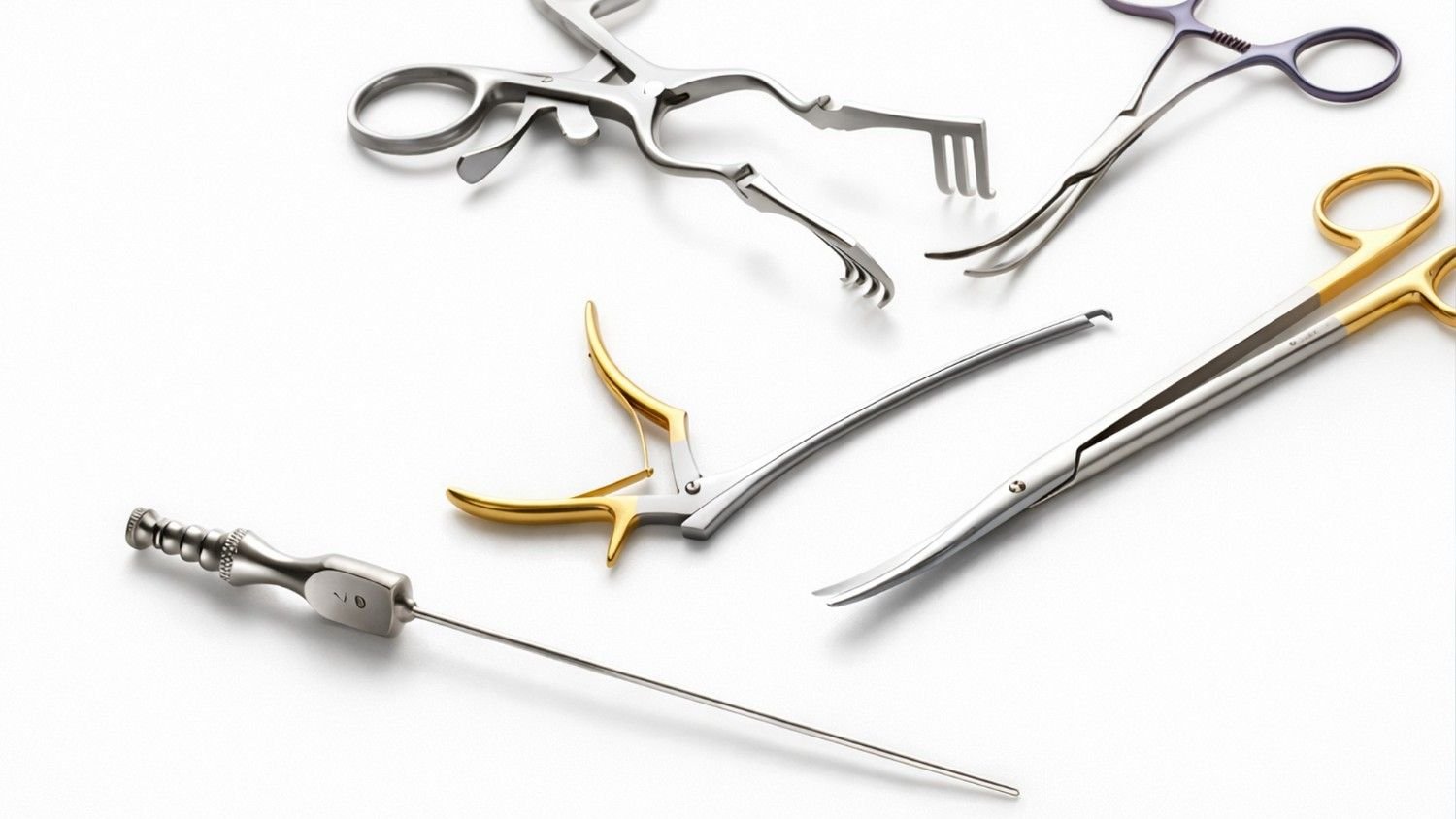
In modern surgical procedures, it is important to have a surgical instrument set that has been well organized according to the functions that it performs during surgery. All of the instruments are essential in maintaining the precision, safety, and efficiency in the operating room. Reputable surgical supply companies offer a wide selection of surgical equipment that can be used for various types of surgery, including general surgery, neurological surgery, and orthopedic surgery. Numerous health care providers also use advanced medical surgical instruments to improve precision and performance in surgery.
This is an in-depth description of commonly used surgical tools in today’s practice.
Cutting and Dissecting Instruments
There are many surgical procedures that require the use of cutting and dissecting tools. They are meant to create accurate cuts, divide tissues, and enable surgeons to have access to the internal structures with great precision and limited damage.
The tools should be very sharp, strong, and stable, and easily managed, to avoid damaging the delicate tissues or making mistakes, even with just one movement.
Common examples include:
- Surgical scissors – Used for cutting tissue, sutures, and dressings accurately. These are available in different varieties, depending on the thickness of the tissues, such as Metzenbaum scissors and Mayo scissors.
- Scalpel handles and blades – These are the basic surgical instruments used for making the initial cuts in skin and soft tissues.
- Bone cutters – These are good instruments used to cut or reshape a bone in orthopedic procedures.
- Osteotomes – chisel-like instruments that make controlled cuts or preparations in the bone surface.
- Curettes – These are instruments with a spoon-shaped tip that are used to scrape or remove the diseased or unwanted tissue.
Typically used in general surgery, orthopedic surgery, and surgical reconstructive procedures where precision cutting is required.
Grasping and Holding Instruments
Grasping and holding instruments are intended to provide a secure, reliable grasp of tissues, blood vessels,s or surgical products during surgery. They aid surgeons in keeping delicate structures in control and guide them to better precision in surgical procedures.
They are particularly useful in situations where tissues are delicate and cannot be damaged.
Examples include:
- Tissue forceps – Designed for gripping and moving tissues during surgery, creating a controlled grip.
- Allis tissue forceps – Standard kind of tissue forceps used for holding strong tissues; have interlocking teeth for a tight, firmer hold.
- Dressing forceps – A slightly different type of forceps used for delicate tissues and surgical dressings.
- Hemostatic forceps – Used to clamp blood vessels and stop bleeding during surgeries.
- Needle holders – Picks to grip a needle during the sewing procedure.
- Surgical drapes – Used to cover the patient during surgery.Towel clamps – Used to hold surgical drapes and maintain the sterile field during surgery.
They are vital in ensuring stability and precision during surgical operations, particularly when employing specialized surgical tools and forceps for delicate handling.
Retractors and Exposure Instruments
Retractors are special surgical tools that are used to push tissues, organs, or skin back in order to improve visibility and access to the surgical site. They make the surgeons’ work be conducted in a clean and controlled field.
Retractors would be hard to use without them.
Examples include:
- Army-Navy retractors – Handheld retractors used in general surgery to expose shallow/deep tissues.
- Gelpi retractors – Self-retaining retractors for procedures requiring continuous exposure.
- Weitlaner retractors – They are used in orthopedic and neurosurgical surgery to spread tissues apart.
- Richardson retractors – These are suitable for deeper chest and abdominal surgeries.
- Self-retaining retractors – Highly sophisticated retractors that retain themselves and do not require any hand assistance.
All these tools help to increase the field of view during surgery, lower surgeon fatigue, and increase the accuracy of the procedure, while providing reliable surgical tools in challenging surgical fields.
Clamping and Occluding Instruments
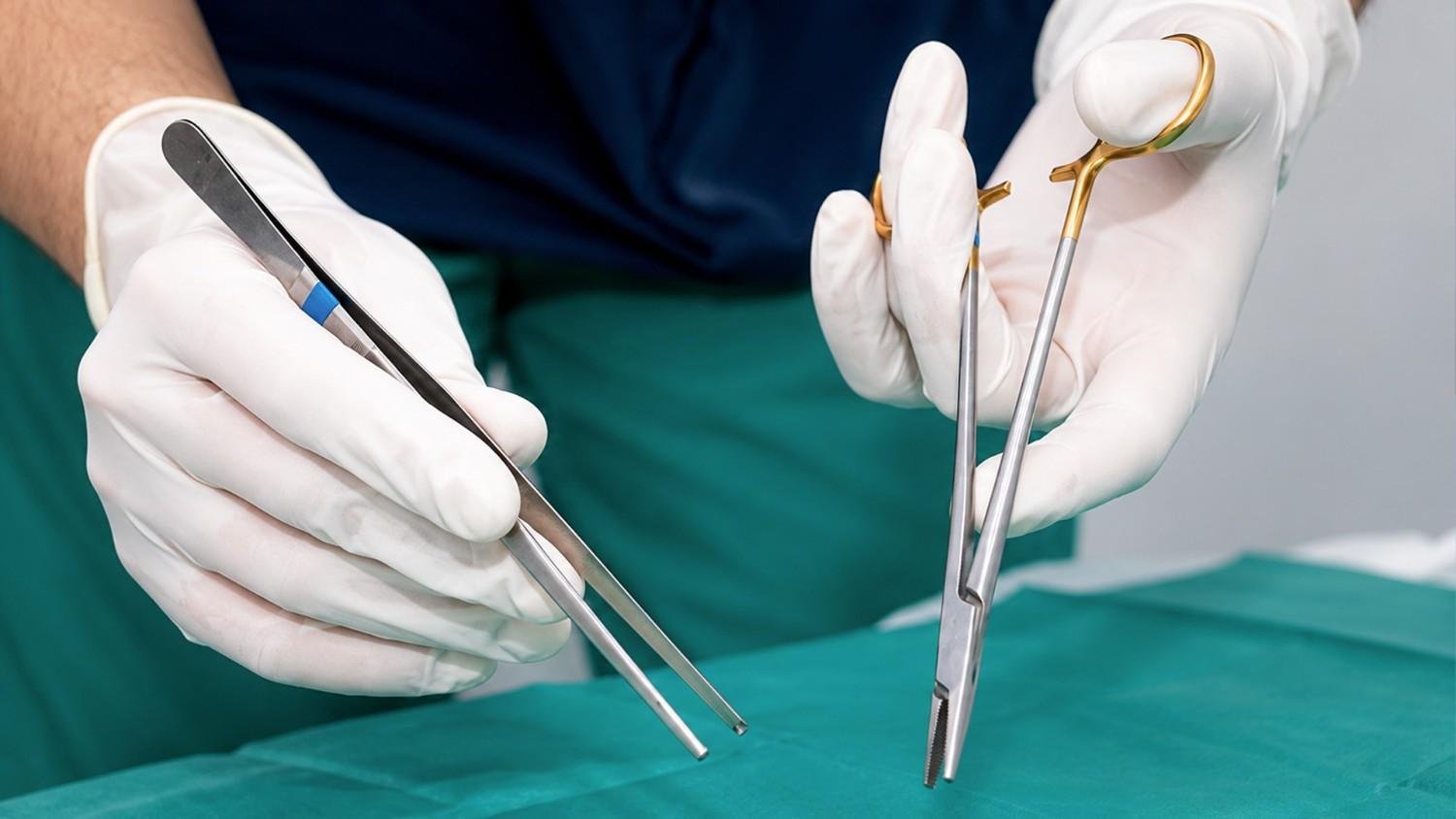
There are many instruments that are used for clamping and occluding during surgery, which are very important for controlling blood flow. They prevent over bleeding and provide a surgeon with a clear surgical field.
They are the instruments that are used in minor and major surgical procedures.
Examples include:
- Kelly clamps – These are used in surgery to clamp vessels and tissues.
- Mosquito forceps – Small, thin clamps for holding small blood vessels.
- Forceps – Used to grip an object firmly.Artery forceps – Used to stop the bleeding of an artery during an operation.
- Bulldog clamps – Small spring-loaded clamps that are used in vascular surgeries.
- Hemostats – General-purpose instruments that are used for bleeding control and to hold tissues.
These instruments play a crucial role in hemostasis (the control of bleeding), an important aspect of safety during surgery. Some of these instruments are produced with long-lasting stainless steel surgical tools technology.
Specialized Surgical Instruments
There are very specialized general surgical instruments used for different medical specialties, and each procedure may have multiple instruments that are used specifically for it. These surgical tools can be more sophisticated and specialized to fit the requirements of complicated surgeries.
Examples include:
- Orthopedic surgical instruments – These are used in orthopedic surgeries, including fracture repair, joint replacement, and spinal surgery.
- Dental surgical instruments – These are instruments used for dental surgeries, extractions, and dental implant procedures.
- ENT surgical instruments – Used in ear, nose, and throat surgeries, which demand precision in small anatomical areas.
- Cardio surgical instruments – These are medical tools that are employed in the surgical procedures of the heart and blood vessels, such as those performed with bypass surgery.
- Gynecological instruments – These are instruments used in reproductive system surgeries and diagnostics.
- The laparoscopes are small instruments used in minimally invasive (keyhole) surgeries.
- Microsurgical instruments – Very fine surgical tools used in delicate surgery of nerves, eyes, or small blood vessels.
The demand for manufacturing precision and quality assurance in trusted surgical tools manufacturers from around the world is at its peak for these specialized tools.
The Role of Surgical Instrument Manufacturers
Reliable surgical instrument manufacturers are essential to uphold the quality of healthcare globally. Their job doesn’t end after they’re made, however; they have to make sure that each instrument is precise, durable, and up to standard.
Professional manufacturers invest in:
- Advanced manufacturing technologies
- Machining and polishing to precise dimensions
- Quality inspection systems
- Research and innovation
- Meeting ISO, CE, and FDA requirements.
The manufacturers also collaborate with surgeons and medical equipment suppliers to create instruments that meet the needs of the changing operating room environment and the adoption of new, less invasive surgical methods.
How Trusted Surgical Suppliers Improve Patient Safety
The safety of patients is always the number one priority in all healthcare settings. Risks during surgery are minimised, and overall clinical outcomes are enhanced through the use of surgical tools that include precision engineering.
- Trusted surgical suppliers can help ensure patient safety by offering:
- Clean and contaminant-free tools
- Reliable instrument performance
- Precision surgical handling
- Lower frequency of instrument failures
- Better surgical efficiency
- Conformance to world health standards.
Patient-centric quality assurance and precision manufacturing are continuing to ensure safer and more reliable surgical environments at AMG Medical.
Reliable surgical tools and supplies give surgeons the ability to concentrate on quality patient care instead of the reliability of surgical instruments.
Why Healthcare Providers Choose Trusted Surgical Suppliers
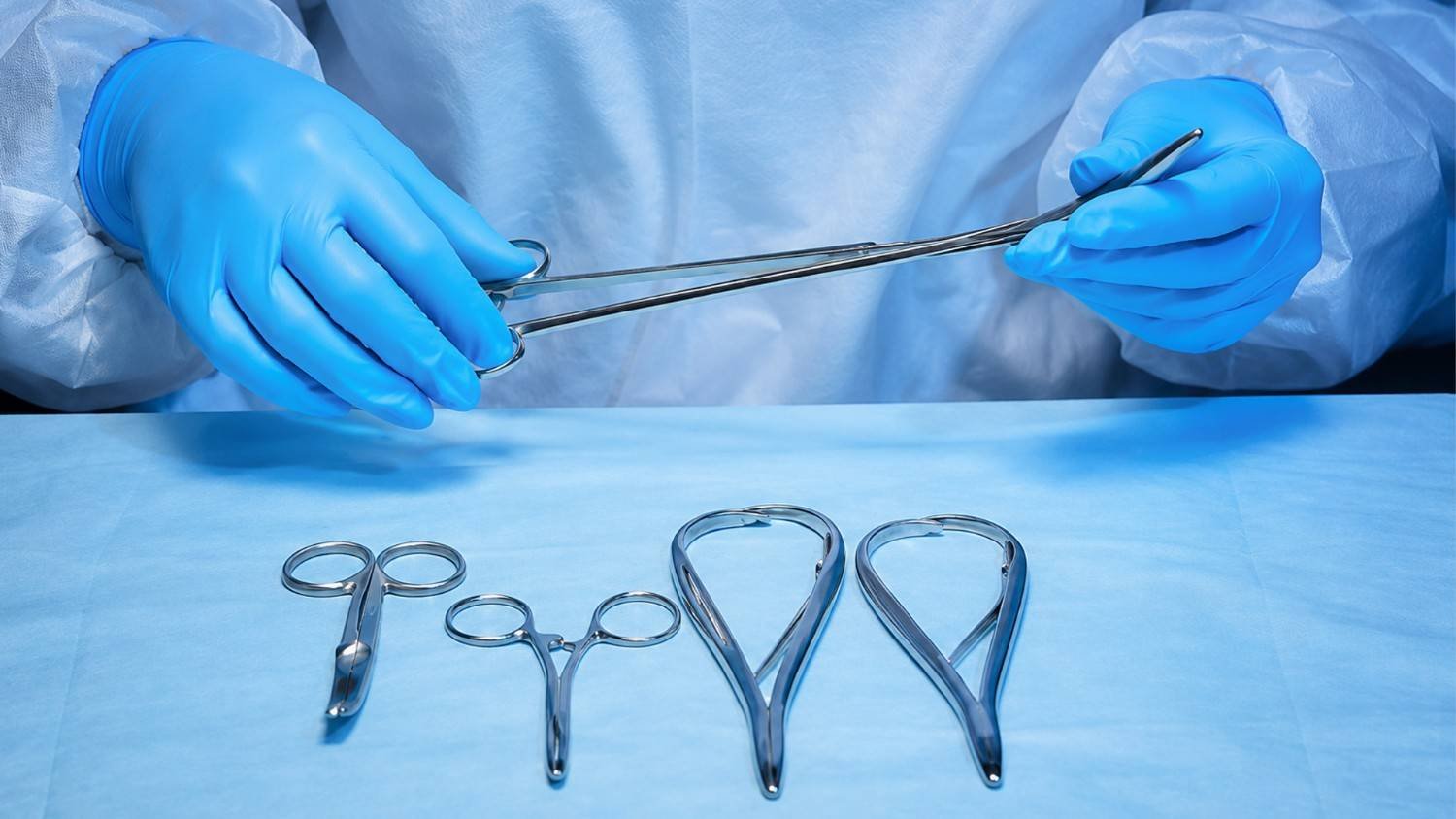
Healthcare organisations are more and more concerned with suppliers who can provide quality and reliability. Suppliers help medical institutions with:
- Improve patient outcomes
- Reduce operational risks
- Maintain regulatory compliance
- Enhance surgical efficiency
- Maintain uniformity in the product quality.
- Promote sustained healthcare development. Facilitate sustained growth in the health care system.
With the complexity and regulation of today’s healthcare market, the surgical supplier is an essential component that can influence outcomes, safety, and reputation. Others are more accepting of surgical instrument manufacturers in the USA, as they are trusted for their uniform quality and adherence to international standards.
Conclusion
The trusted surgical supplies are an essential component of modern medicine. They are not just about delivering instruments; their significance lies in patient safety, healthcare efficiency, surgical precision, and regulatory compliance. Accurate medical surgical instruments and manufacturing that is focused on precision continue to influence the future of modern medical systems across the world.
In the ever-changing landscape of healthcare, hospital, clinic, and distributor businesses rely on reliable partners who value quality, innovation, and global standards. Healthcare providers can leverage trusted surgical instruments suppliers in the USA and experienced surgical tools manufacturers to deliver enhanced surgical outcomes, improve operational efficiency, and better patient care.