

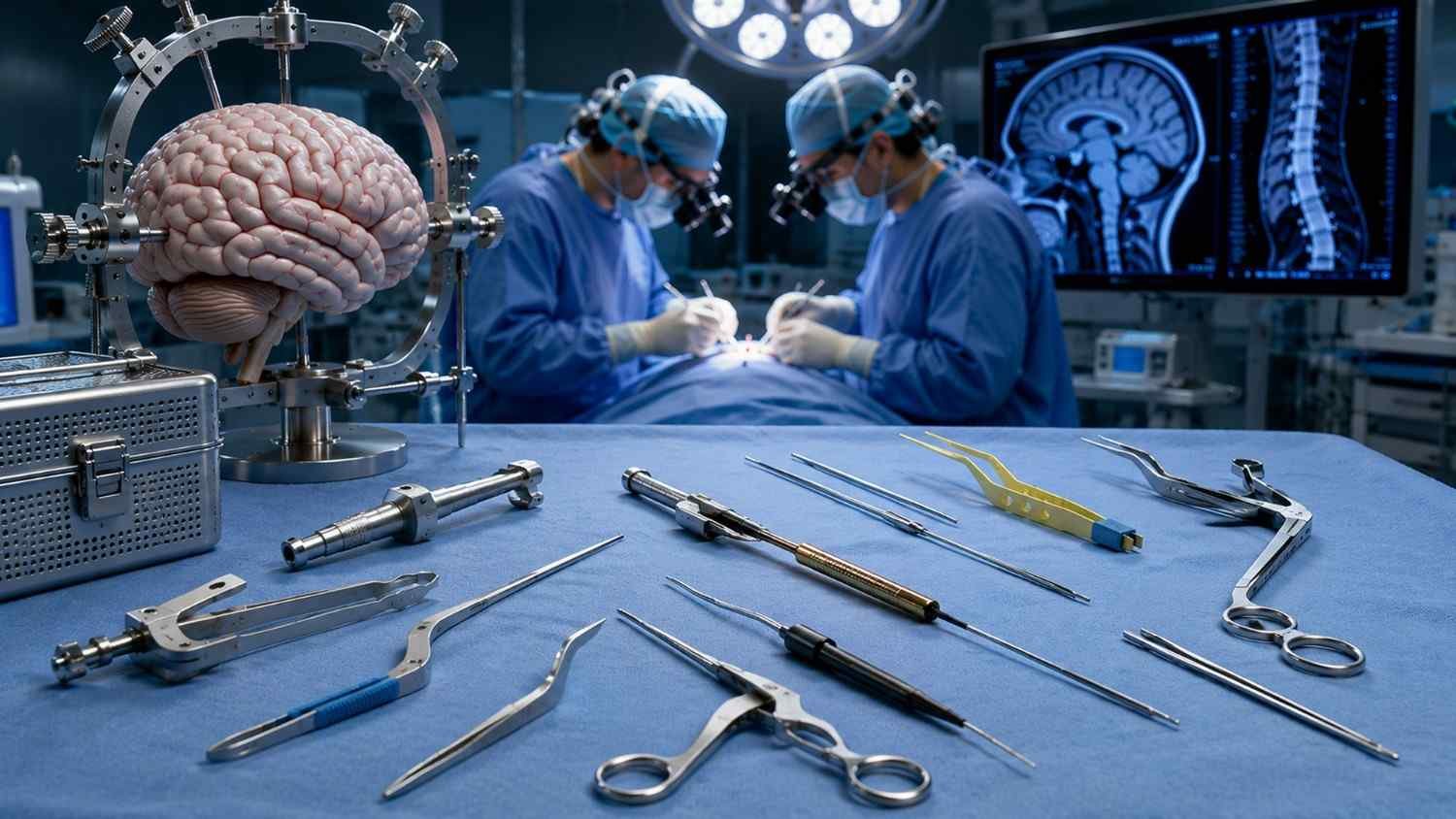
Modern neurosurgery demands exceptional precision, advanced technology, and reliable surgical equipment to achieve successful patient outcomes. Every procedure involving the brain, spinal cord, and nervous system. It requires meticulous planning and the use of high-quality neurosurgery instruments that enable surgeons to perform complex operations. From delicate tumor removals to intricate spinal procedures, the quality of surgical instruments plays a crucial role in improving surgical precision, minimizing tissue damage, and enhancing patient safety.
As neurological disorders continue to rise worldwide, healthcare facilities are investing in advanced surgical technologies and specialized instruments to meet growing clinical demands. According to the World Health Organization (WHO), neurological conditions are among the leading causes of disability and mortality globally, increasing the need for highly specialized surgical care. Hospitals and healthcare providers recognize that successful neurosurgical procedures depend not only on the expertise of surgeons but also on the reliability and performance of the instruments used in the operating room.
Today’s healthcare organizations require surgical instruments that combine precision engineering, ergonomic design, durability, and compliance with international quality standards. Whether performing minimally invasive procedures or complex cranial and spinal surgeries, surgeons rely on instruments that provide exceptional control while reducing procedural risks. Investing in premium-quality surgical equipment also helps hospitals improve operational efficiency, extend instrument lifespan, and maintain consistent clinical performance.
The Critical Role of Neurosurgery Tools in Modern Healthcare
Brain and spine surgeries are among the most delicate procedures performed in modern medicine. Even the smallest movement during surgery can significantly affect neurological function, making precision an absolute necessity. High-quality neurosurgery instruments allow surgeons to operate with greater confidence by providing excellent control, visibility, and accuracy throughout every stage of a procedure.
Unlike general surgical equipment, instruments used in neurosurgery are specifically engineered to work within confined anatomical spaces while protecting delicate nerves, blood vessels, and surrounding tissues. Their specialized design enables surgeons to perform intricate procedures with minimal disruption to healthy tissue, reducing the risk of complications and supporting faster patient recovery.
The continuous advancement of neurology surgical instruments has also transformed the way complex neurological conditions are treated. Modern instruments are manufactured using advanced materials and precision engineering techniques that improve durability, enhance handling, and maintain consistent performance during lengthy surgical procedures. These innovations not only improve surgical efficiency but also contribute to better patient outcomes by supporting safer and more accurate interventions.
Common Types of Neurosurgery Instruments
Neurosurgical procedures require a wide variety of specialized instruments, each designed to perform a specific function during brain and spine operations. Selecting the appropriate instrument depends on the type of procedure, surgical approach, and patient condition.
Forceps
Neurosurgical forceps are used for grasping, holding, and manipulating delicate tissues without causing unnecessary trauma. Their fine tips provide surgeons with exceptional control during microscopic procedures.
Scissors
Precision surgical scissors allow surgeons to carefully dissect soft tissue, blood vessels, and membranes while maintaining maximum accuracy throughout the operation.
Retractors
Retractors help maintain a clear surgical field by gently holding tissues away from the operative site. Their ergonomic design improves visibility and allows surgeons to work more efficiently during complex procedures.
Suction Instruments
Specialized suction devices remove blood and fluids from the surgical field, ensuring continuous visibility and reducing interruptions during surgery.
Rongeurs
Rongeurs are commonly used during spinal procedures to remove small portions of bone and create access to the surgical area while preserving surrounding anatomical structures.
Needle Holders
Needle holders provide secure control during suturing, allowing surgeons to perform delicate wound closure with exceptional precision.
Together, these specialized neurology tools enable neurosurgeons to perform highly complex procedures while maintaining the highest standards of surgical safety and precision.
Key Features of High-Quality Neurosurgery Instruments
Not all surgical instruments are manufactured to the same standard. Premium neurosurgical equipment is designed to deliver superior performance, durability, and reliability in demanding operating room environments.
Precision Engineering
Every neurosurgical procedure requires exceptional accuracy. High-quality instruments are manufactured with precise tolerances that enable surgeons to perform delicate movements while minimizing tissue trauma.
Superior Material Quality
Premium stainless steel and advanced medical-grade alloys provide excellent corrosion resistance, durability, and long-term performance. These materials also maintain sharpness and structural integrity after repeated sterilization cycles.
Ergonomic Design
Comfortable, lightweight instruments reduce hand fatigue during lengthy procedures while improving surgeon control and overall operating efficiency.
Excellent Balance and Control
Well-balanced instruments provide greater stability, allowing surgeons to perform intricate maneuvers with increased confidence during delicate neurological procedures.
Benefits of High-Quality Neurosurgery Instruments
Selecting high-quality neurosurgery instruments is an investment in surgical precision, patient safety, and long-term healthcare efficiency. Every instrument used during a neurological procedure directly influences the surgeon’s ability to perform delicate tasks accurately while minimizing risks. Premium surgical instruments are designed to deliver consistent performance, allowing healthcare professionals to achieve better clinical outcomes even during the most complex brain and spine surgeries.
Improved Surgical Precision
Precision is the foundation of successful neurosurgery. High-quality instruments provide exceptional control, allowing surgeons to perform intricate procedures with greater confidence and accuracy. Their advanced design minimizes unintended tissue damage, improves visualization of the surgical field, and supports more precise dissection, cutting, and suturing techniques.
Enhanced Patient Safety
Patient safety remains the highest priority during every neurosurgical procedure. Reliable instruments reduce the likelihood of equipment failure, improve procedural consistency, and help surgeons maintain complete control throughout the operation. Premium neurosurgical instruments are manufactured to meet strict quality standards, ensuring dependable performance when precision matters most.
Better Surgical Efficiency
Efficient surgical procedures benefit both healthcare professionals and patients. Well-designed instruments allow surgeons to work more comfortably and effectively, reducing procedure times and improving workflow inside the operating room. Shorter surgeries may also contribute to reduced anesthesia exposure and faster patient recovery.
Long-Term Cost Savings
Although premium surgical instruments may require a higher initial investment, they often provide greater long-term value. Durable construction, superior corrosion resistance, and the ability to withstand repeated sterilization cycles reduce replacement costs while maintaining consistent performance over many years of clinical use.
Applications of Neurosurgery Instruments in Brain and Spine Surgery
Modern neurosurgery covers a wide range of procedures involving the brain, spinal cord, and peripheral nervous system. Each procedure requires specialized instruments designed to address unique anatomical challenges while supporting safe and effective surgical techniques.
Brain Surgery
Brain surgery demands exceptional precision because surgeons operate near highly sensitive neurological structures. Specialized instruments assist with tumor removal, aneurysm repair, trauma management, epilepsy surgery, and other complex cranial procedures. Fine-tipped forceps, micro scissors, suction devices, and retractors provide the control needed to preserve healthy tissue while treating neurological conditions.
Spine Surgery
Spinal procedures require instruments capable of accessing narrow anatomical spaces while protecting nerves and surrounding tissues. Neurosurgeons rely on precision rongeurs, curettes, elevators, and retractors when treating spinal fractures, herniated discs, spinal tumors, and degenerative spine disorders. Advanced neurosurgical instruments support minimally invasive techniques that reduce tissue disruption and promote faster patient recovery.
As surgical technology continues to advance, hospitals increasingly invest in specialized neurosurgical instruments that improve both procedural accuracy and clinical efficiency across a broad range of neurological treatments.
Factors to Consider When Selecting Neurosurgery Instruments
Choosing the right surgical instruments involves more than selecting the correct size or design. Hospitals, surgical centers, and procurement teams should evaluate products based on quality, performance, compliance, and long-term reliability to ensure consistent clinical excellence.
Manufacturing Quality
High-quality manufacturing ensures every instrument delivers consistent performance throughout repeated clinical use. Precision machining and rigorous quality inspections help maintain dimensional accuracy, smooth operation, and dependable functionality.
Material Selection
Medical-grade stainless steel and advanced alloys provide superior durability, corrosion resistance, and long service life. Premium materials maintain sharpness and structural integrity despite repeated cleaning and sterilization.
Ergonomic Design
Comfortable instrument design improves surgeon control while reducing hand fatigue during lengthy procedures. Ergonomic handles and balanced construction allow greater precision throughout complex neurological operations.
Sterilization Compatibility
Neurosurgical instruments must withstand frequent sterilization without compromising performance. Healthcare facilities should select products specifically designed to tolerate repeated autoclave cycles while maintaining their structural integrity and precision.
Regulatory Compliance
Hospitals should always choose instruments manufactured in compliance with recognized international quality standards such as ISO, CE, and other applicable regulatory requirements. Compliance demonstrates a commitment to product safety, quality, and clinical reliability.
The Growing Role of Innovation in Neurosurgical Equipment
Advancements in medical technology continue to reshape modern neurosurgery. Surgical navigation systems, robotic-assisted procedures, operating microscopes, and minimally invasive techniques have transformed how neurological conditions are treated. These innovations work alongside advanced neurology tools, enabling surgeons to perform increasingly complex procedures with greater accuracy and confidence.
Today’s high-performance instruments are designed to integrate seamlessly with modern surgical technologies, helping healthcare organizations improve precision, efficiency, and patient outcomes. As demand for advanced neurological care continues to grow, investing in innovative surgical equipment becomes essential for hospitals seeking to deliver world-class healthcare services.
Why Healthcare Facilities Should Invest in Premium Neurosurgery Instruments
Hospitals and healthcare organizations continually invest in advanced technologies to improve surgical outcomes, patient safety, and operational efficiency. However, even the most sophisticated operating rooms cannot deliver optimal results without high-quality surgical instruments. Investing in premium neurosurgery tools enables healthcare providers to perform delicate neurological procedures with greater precision while ensuring long-term reliability and consistent clinical performance.
High-quality instruments are designed to withstand repeated sterilization, maintain exceptional accuracy, and support surgeons during lengthy and complex procedures. Their durability reduces replacement costs, minimizes equipment downtime, and provides long-term value for hospitals and surgical centers. By equipping operating rooms with reliable instruments, healthcare facilities can strengthen surgical performance, improve workflow efficiency, and enhance the overall quality of patient care.
Best Practices for Maintaining Neurosurgery Instruments
Proper maintenance is essential to preserve the performance, precision, and lifespan of neurosurgical equipment. Even the highest-quality surgical instruments require routine inspection and care to ensure they continue performing accurately throughout repeated clinical use.
Healthcare facilities should follow these best practices:
- Clean instruments immediately after every surgical procedure.
- Inspect instruments regularly for wear, corrosion, or damage.
- Sterilize according to manufacturer recommendations and hospital protocols.
- Store instruments in protective surgical trays to prevent accidental damage.
- Perform routine maintenance and quality inspections before every procedure.
Consistent maintenance not only protects valuable surgical equipment but also supports patient safety by ensuring every instrument performs reliably when needed.
Why AMG Medical Is Your Trusted Partner for Neurosurgery Instruments
At AMG Medical, we understand that successful neurological procedures require exceptional precision, dependable quality, and instruments healthcare professionals can trust. Our commitment to manufacturing excellence enables hospitals, surgical centers, and healthcare distributors to access premium surgical solutions that support accurate brain and spine procedures while meeting international quality standards.
Our extensive portfolio includes precision-engineered neurosurgical instruments designed for durability, ergonomic handling, and consistent clinical performance. Every product undergoes rigorous quality control processes to ensure reliability in demanding operating room environments. By combining advanced manufacturing, strict compliance, and responsive customer support, AMG Medical helps healthcare organizations improve surgical efficiency and deliver better patient outcomes.
Whether you are expanding a hospital’s neurosurgical department, equipping a specialized surgical center, or sourcing high-quality instruments for global distribution, AMG Medical remains committed to providing innovative solutions that support modern healthcare and surgical excellence.
Conclusion
Modern neurological surgery demands accuracy, reliability, and continuous innovation. From delicate brain procedures to complex spinal operations, neurosurgery tools play a vital role in helping surgeons perform with confidence while improving patient safety and surgical precision. As healthcare technology continues to evolve, hospitals and surgical centers must invest in high-quality instruments that deliver consistent performance and long-term value.
Advanced neurosurgery instruments, supported by precision engineering and premium materials, allow healthcare professionals to perform complex procedures with greater control while minimizing procedural risks. At the same time, specialized neurology tools continue to evolve alongside modern surgical technologies, enabling healthcare providers to achieve better clinical outcomes and improve the overall quality of neurological care.
By partnering with trusted manufacturers such as AMG Medical, healthcare organizations can ensure they have access to reliable surgical solutions that meet international quality standards, support operational excellence, and contribute to safer, more effective patient care for years to come.
FAQS
What are neurosurgery instruments?
Neurosurgery instruments are specialized surgical tools designed for brain, spine, and nervous system procedures. They enable surgeons to perform delicate operations with exceptional precision while minimizing tissue damage.
Why are high-quality neurosurgical instruments important?
High-quality neurosurgical instruments improve surgical accuracy, enhance patient safety, reduce procedural risks, and provide reliable performance during complex neurological surgeries.
What procedures require neurology surgical instruments?
Neurology surgical instruments are commonly used for brain tumor removal, spinal surgery, aneurysm repair, trauma surgery, epilepsy treatment, and other neurological procedures requiring precise surgical techniques.
How should neurosurgery instruments be maintained?
They should be cleaned immediately after use, sterilized according to clinical guidelines, inspected regularly for wear or damage, and stored properly to maintain long-term performance and patient safety.
What should hospitals consider when purchasing neurosurgery tools?
Healthcare facilities should evaluate manufacturing quality, material durability, ergonomic design, regulatory compliance, sterilization compatibility, and supplier reliability to ensure long-term clinical performance and value.