

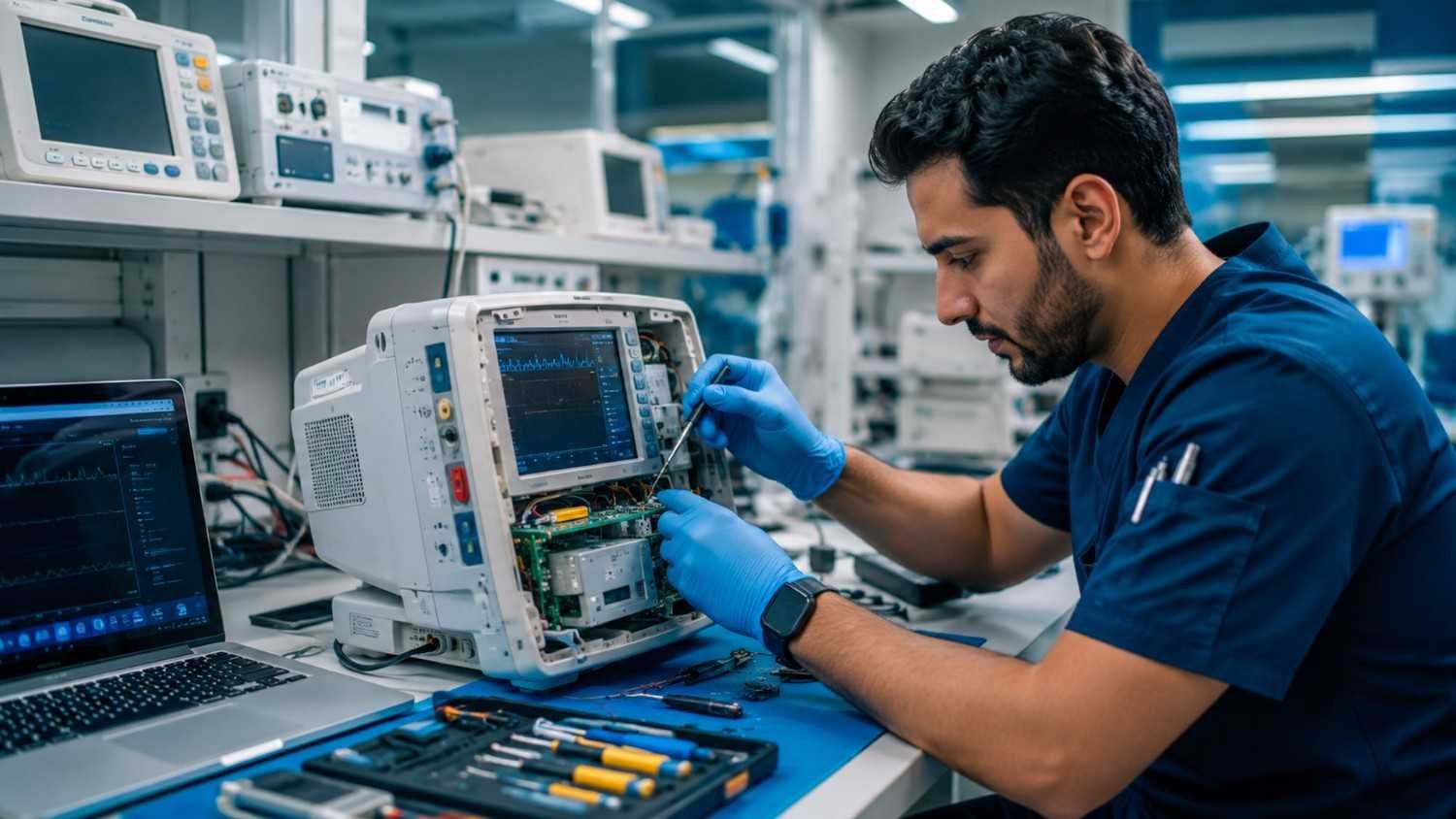
Reliable biomedical equipment is essential for delivering safe, efficient, and uninterrupted patient care. From patient monitoring systems to diagnostic devices and surgical equipment, healthcare facilities depend on fully functional medical technology to support daily clinical operations. However, unexpected equipment failures can delay treatments, disrupt workflows, and increase operational costs.
Recognizing these challenges, AMG Medical partnered with a leading healthcare provider to strengthen its biomedical equipment maintenance strategy. By implementing a proactive repair and support model, the organization reduced equipment downtime, improved operational efficiency, and ensured healthcare professionals had continuous access to dependable medical equipment.
Client Background
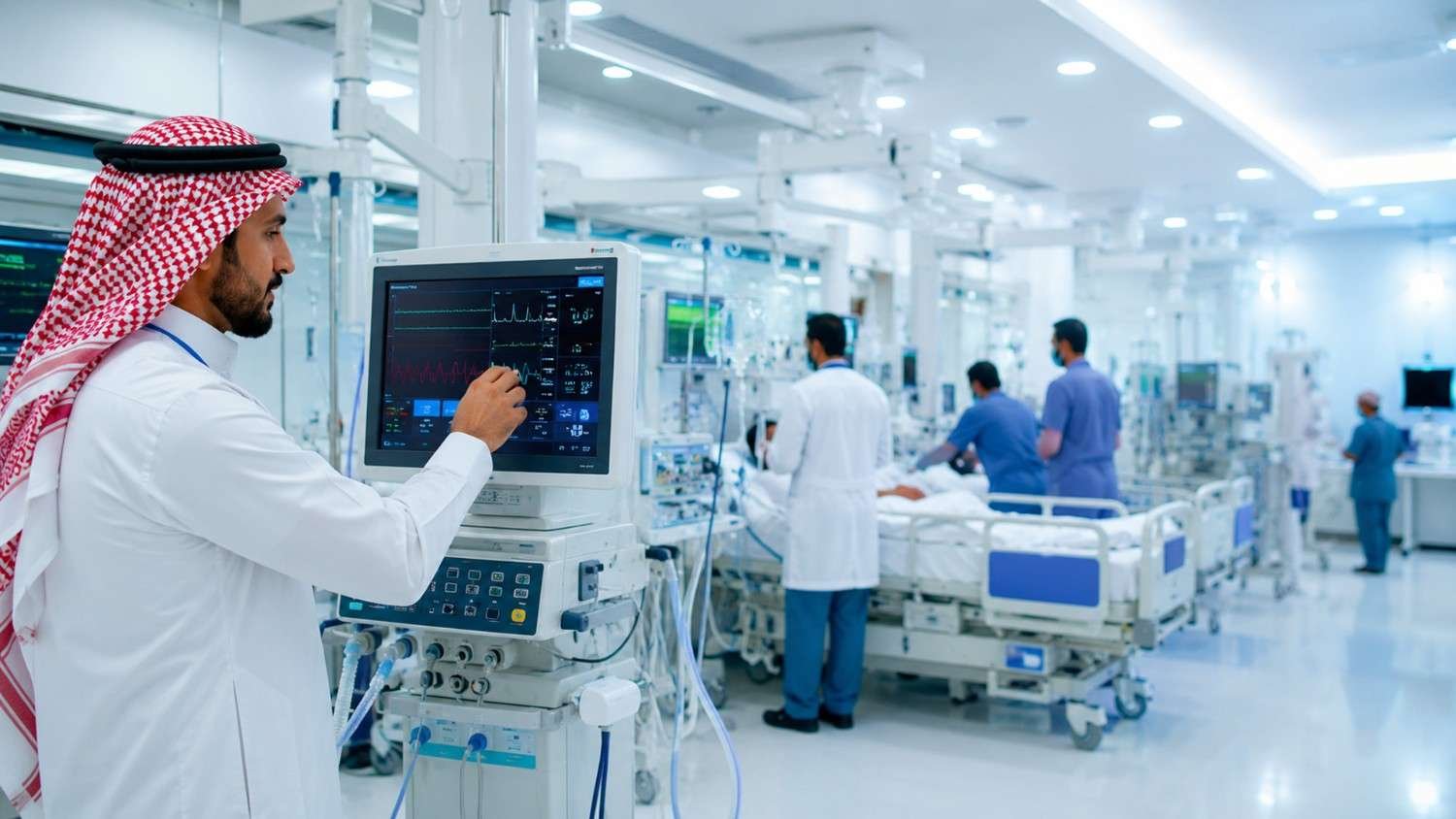
Dr. Ahmed Al-Qahtani leads the Clinical Engineering Department at Riyadh Advanced Medical Center, a leading multi-specialty healthcare facility in Saudi Arabia that serves thousands of patients annually through its emergency department, operating theaters, intensive care units, diagnostic laboratories, and outpatient clinics.
As patient volumes continued to grow, Dr. Ahmed Al-Qahtani and his engineering team faced increasing challenges in maintaining the performance and reliability of the hospital’s biomedical equipment. Frequent equipment failures, delayed repair cycles, and inconsistent preventive maintenance schedules disrupted clinical workflows and placed additional pressure on healthcare professionals.
Seeking a long-term solution, Dr. Ahmed Al-Qahtani partnered with AMG Medical to implement a proactive biomedical equipment repair and maintenance strategy that would improve equipment reliability, minimize downtime, and ensure uninterrupted patient care across all critical departments.
The Challenge: Equipment Downtime Affecting Clinical Operations
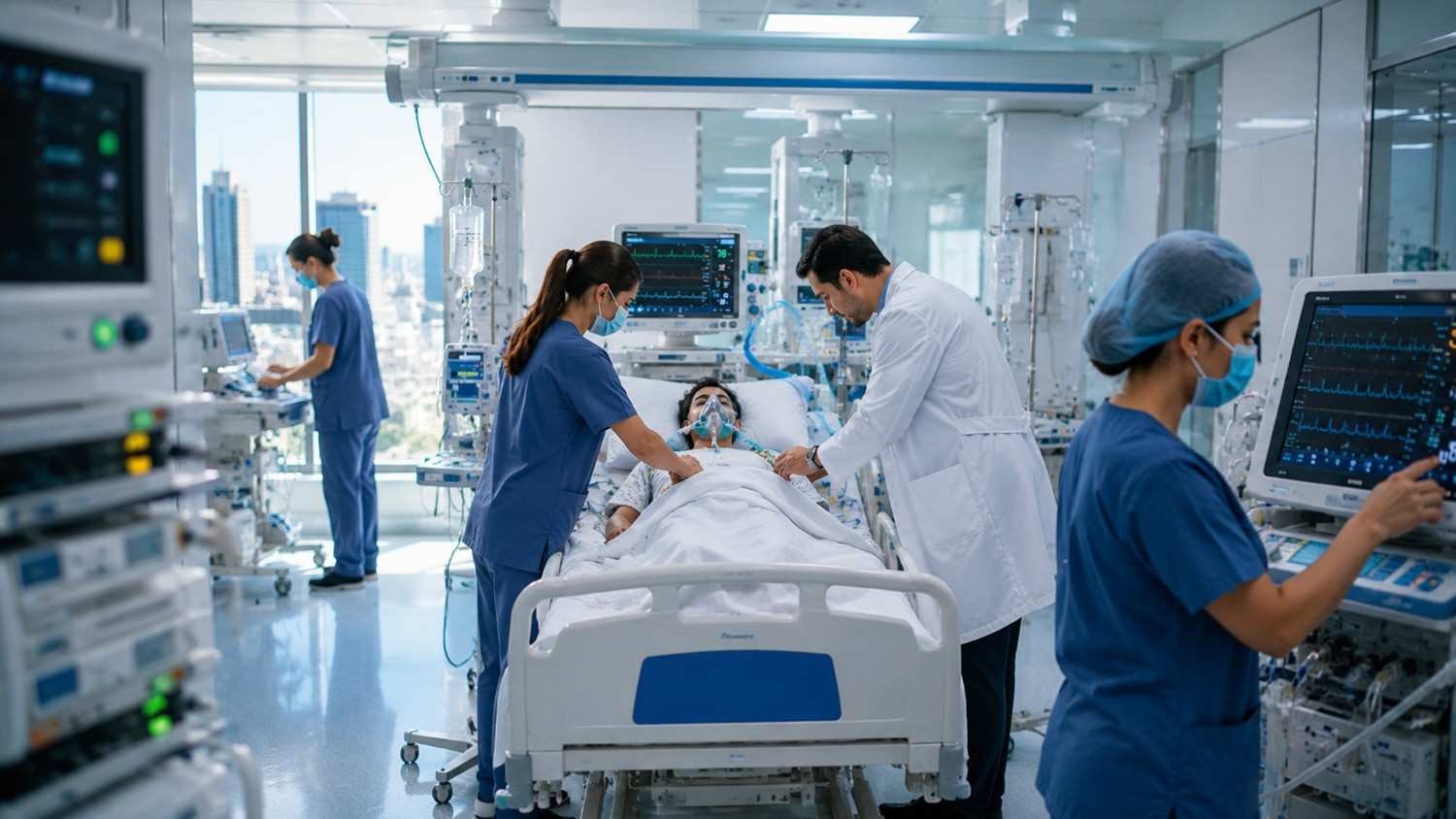
The hospital relied on hundreds of biomedical devices across multiple departments. As equipment aged and usage increased, unexpected breakdowns became more frequent. Critical devices occasionally required extended repair times due to limited technical support and delayed replacement parts.
These disruptions created scheduling difficulties for clinical teams, delayed diagnostic procedures, and placed additional pressure on healthcare professionals responsible for delivering timely patient care.
The organization also lacked a structured preventive maintenance program capable of identifying potential failures before they impacted hospital operations. Without a proactive maintenance strategy, repair costs continued to rise while equipment availability declined.
Strategic Approach
Comprehensive Equipment Assessment
AMG conducted a complete evaluation of the hospital’s biomedical equipment, identifying aging assets, recurring technical issues, maintenance history, and operational risks. This assessment helped prioritize critical equipment requiring immediate attention.
Preventive Maintenance Program
A structured preventive maintenance schedule was introduced to reduce unexpected failures and extend equipment lifespan. Regular inspections, calibration, performance testing, and servicing helped improve equipment reliability while minimizing unplanned downtime.
Rapid Repair & Technical Support
Certified biomedical engineers provided fast-response repair services supported by efficient diagnostics and access to quality replacement components. Standardized repair procedures reduced turnaround times and restored equipment to optimal operating condition.
Lifecycle Management Strategy
Beyond repairs, AMG Medical worked closely with hospital management to develop an equipment lifecycle management plan. Performance data and maintenance records were used to support informed decisions regarding equipment upgrades, replacements, and future investments.
Implementation Process
Phase 1: Facility Assessment
A detailed assessment of biomedical assets, maintenance records, equipment utilization, and operational challenges was completed to establish maintenance priorities.
Phase 2: Preventive Maintenance Integration
Routine inspection schedules, calibration procedures, and preventive servicing protocols were implemented across critical departments to improve equipment reliability.
Phase 3: Repair Optimization
Repair workflows were standardized, response times were improved, and technical support processes were strengthened to minimize equipment downtime.
Phase 4: Continuous Performance Monitoring
Equipment performance indicators, maintenance schedules, and repair histories were continuously monitored to support ongoing improvements and long-term operational efficiency.
Results & Impact
The implementation of AMG Medical’s biomedical equipment repair strategy significantly improved equipment availability across the healthcare facility. Preventive maintenance reduced unexpected failures, while faster repair response times minimized operational disruptions.
Clinical teams experienced improved access to reliable medical equipment, enabling smoother workflows and greater confidence during patient care. The hospital also reduced maintenance costs by identifying issues early and extending the operational life of critical biomedical devices.
Key Outcomes
- Reduced equipment downtime across critical departments
- Faster repair response and equipment restoration
- Improved preventive maintenance performance
- Increased operational efficiency for clinical teams
- Extended lifespan of biomedical equipment
- Better equipment reliability and performance
- Lower long-term maintenance costs
- Enhanced patient safety and continuity of care
Conclusion
Reliable biomedical equipment repair is essential for maintaining high standards of healthcare delivery. Through proactive maintenance, rapid technical support, and long-term lifecycle planning, AMG Medical helped Riyadh Advanced Medical Center, Saudi Arabia, improve equipment reliability while minimizing operational disruptions.
This case study demonstrates how a structured biomedical equipment maintenance strategy can strengthen hospital operations, improve clinical efficiency, and support better patient outcomes through dependable medical technology.