

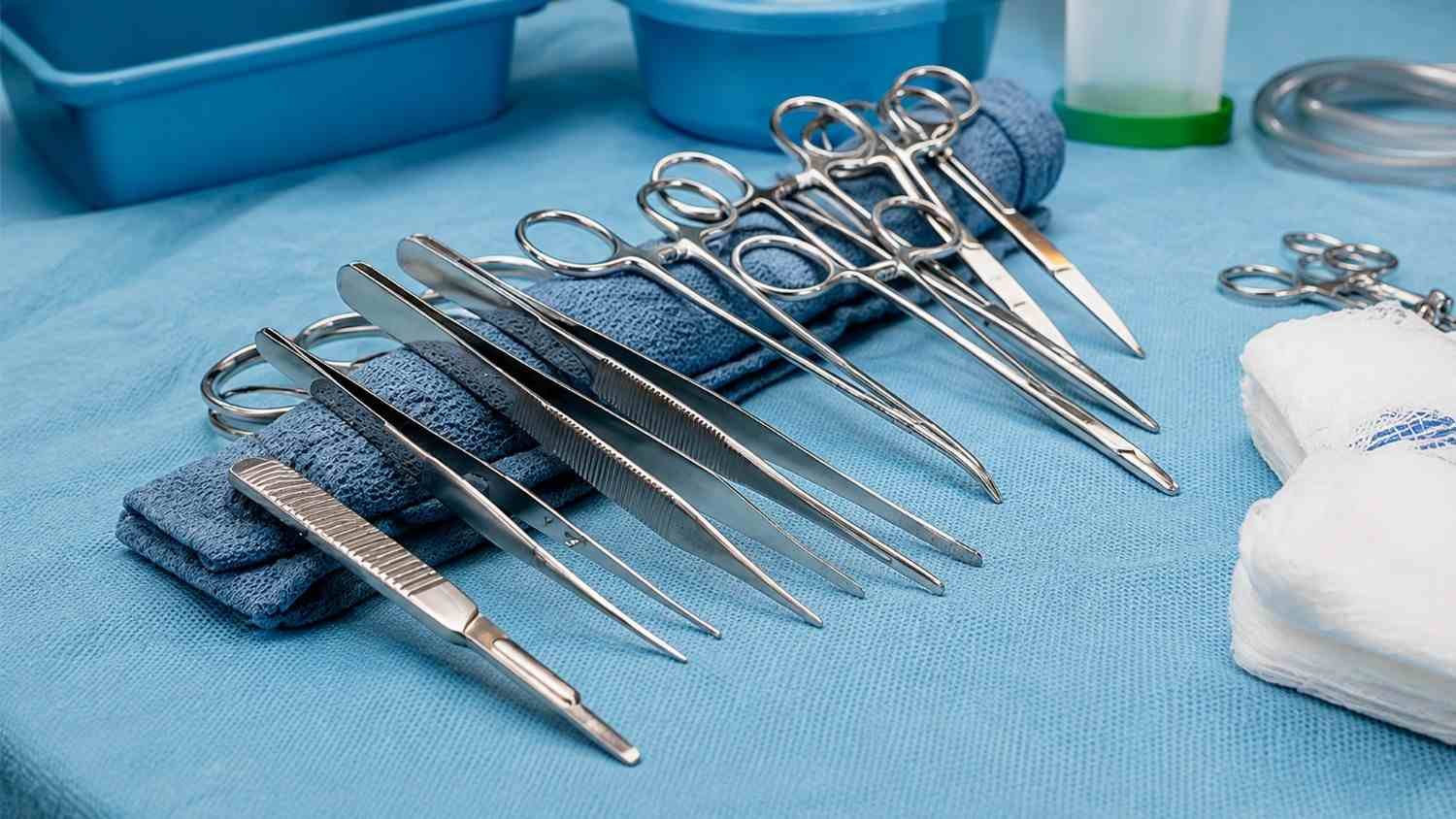
Surgery is only part of modern general surgery. The key to successful procedures is a combination of the skill of clinical teams, the use of the right technology, operating room workflows, and surgical tools that are reliable and effective. Whether it’s simple tasks like suturing or intricate surgeries like heart transplants, surgeons require tools that are precise, controlled, durable, and reliable throughout the procedure.
As surgical procedures become more complex, it is important to choose high-quality general surgical equipment. When choosing an instrument, hospitals and surgical centres cannot just look at how the instrument works, but also how it is made, how ergonomic it is, whether it can be sterilized in the OR, how durable it is, and how valuable it will be in the long run.
Choosing the right instruments is crucial for healthcare procurement teams too. An optimized surgical instrument portfolio can enhance the efficiency of the operating room, minimise replacement expenses. It enables clinicians to have the right instrument in hand when necessary.
The Role of Surgical Instruments in Modern General Surgery
General surgery encompasses a wide variety of surgeries targeted at varying organs, tissues, and anatomical structures. Each procedure involves different technical requirements; therefore, surgeons use specialized instruments for each and every function.
Surgical instruments for cutting, grasping, dissecting, retracting, suturing, clamping, and manipulating tissue may be used in modern general surgery. These instruments are important in helping the surgeon maintain control of the surgical field and to assist him/her in various stages of a surgical procedure.
In complex or lengthy operations, reliable instruments are especially crucial. Surgeons can make fine movements while avoiding excess hand fatigue with instruments that feature precise working tips, well-balanced construction, and ergonomic handles.
A full instrument library also enables surgical teams to put together procedure-specific sets as per the clinical needs of the hospital.
Key Factors to Consider When Selecting Surgical Instruments
Material Quality and Durability
The majority of general surgery tools are constructed from stainless steel, titanium, or a mixture of the two that is termed surgical grade. Available at reasonable prices, stainless steel provides good strength and anti-corrosion properties, while titanium instruments are lighter and are generally more desirable for procedures that require long periods of use. Be sure to look at the grade of steel being used (typically German or Japanese stainless steel), which will directly impact the sharpness retention, corrosion protection, and durability.
Procedure-Specific Design
General surgery refers to a broad spectrum of surgeries including appendectomy, hernia repair, bowel surgery, abdominal surgery, and many others. The instruments you choose should be those you use most frequently in the procedures you perform in your facility. A good set of parts usually consists of:
- Scalpels and blade handles
- A variety of forceps (tissue, dressing, and artery)
- Scissors (Mayo, Metzenbaum, straight and curved)
- Hemostats and clamps
- Retractors (self-retaining and handheld)
- Needle holders
- To use a suction tip or cannula.To utilize a suction tip or cannula.
Ergonomics and Handling
The ergonomics of an instrument are just as important as its cutting edge, as surgeons may have to work for hours at a time. Comfortable grip, weight distribution, and smooth locking make instruments easier to hold and enable more controlled movements during delicate procedures, which helps to prevent hand fatigue.
Sterilization Compatibility
All instruments chosen should be able to endure multiple cycles of autoclaving, chemical or plasma sterilising without corrosion, discolouration, or loss of integrity. For reusable surgical instruments and equipment, this is particularly important as the long-term performance is closely tied to repeated processing.
Reputation of the Manufacturer
Even the same-sounding instruments, when they look the same on the surface, can be different. Working with reputable surgical instrument manufacturers guarantees that each surgical instrument will fulfill international criteria, including ISO 13485 certification and CE accreditation. Reliable manufacturers are also more likely to provide good traceability, batch consistency, as well as after-sales service, should the instrument exhibit defects.
The Importance of Working with Reliable Surgical Equipment Suppliers
The selection of the appropriate instruments is equally critical as is the choice of the supplier. Suppliers must be reliable to ensure high-quality healthcare services in the long run and meet the procurement needs of healthcare organizations.
The trusted surgical equipment supplier must have strong manufacturing or sourcing ability, quality control, product consistency, and reliability in distribution.
A good supplier relationship can help ease the procurement process for hospitals with large surgical departments, since they don’t have to deal with numerous suppliers for critical instruments. It can also help achieve a consistent product in various operating rooms and departments.
The following are some of the criteria that procurement teams should consider when evaluating suppliers:
- The product’s quality and consistency.
- Manufacturing expertise
- Regulatory compliance
- Delivery reliability
- Product availability
- Customer support
- After-sales service
- Global distribution capabilities
Building a robust relationship with supply chain partners can help a healthcare facility achieve a more resilient surgical supply chain.
Why Surgical Instrument Manufacturing Quality Matters
A surgical tools quality starts before it even reaches the operating room. All of these are influenced by the manufacturing process, which affects the instrument’s precision, strength, surface finish, alignment, and reliability. Controlled manufacturing processes and quality checks are employed by experienced surgical instrument manufacturers to guarantee the instruments fulfill specified needs. Precision machining, materials, finishing, assembly, and functional testing all make a contribution to the end product.
Healthcare companies may also find it more reassuring to buy from reputable manufacturers that offer consistency and reliability of products over time. This also simplifies the task for procurement teams to create consistent instrument portfolios in various departments.
Modern Trends Shaping General Surgery Instruments
The evolution of surgical technology continues to influence instrument design. Healthcare professionals increasingly require instruments that support minimally invasive techniques, improved visualization, ergonomic handling, and more efficient operating-room workflows.
Modern surgical equipment is increasingly developed with greater attention to:
- Ergonomic handling
- Precision engineering
- Minimally invasive procedures
- Durable materials
- Improved instrument compatibility
- Efficient sterilization
- Procedure-specific designs
These developments reflect the changing needs of modern surgical teams and the growing emphasis on patient safety and operational efficiency.
Maintaining Surgical Instruments for Long-Term Performance
Good instruments need proper maintenance! By cleaning, inspecting, sterilizing, handling, and storing the instruments in a proper manner, instrument performance and service life can be maintained.
All healthcare facilities should have well-defined maintenance protocols, which should contain the following:
- Properly cleaning instruments immediately after use.
- Checking instruments for corrosion, cracks, or damage.
- Inspecting the sharpness of scissors and cutting equipment.
- Ensuring clamps and forceps work properly.
- Using recommended sterilisation methods.
- Properly storing instruments following processing.
- Taking instruments from clinical service when they are damaged.
Regular maintenance of these systems protects the hospital’s investment and ensures reliable performance during surgeries.
Improving Surgical Instrument Supply for a U.S. Hospital
A multi-specialty hospital in the United States needed a more reliable approach to sourcing general surgery instruments. The procurement team sought consistent product quality, improved availability, and a reliable supply process to support daily surgical operations.
The Challenge
The hospital was experiencing inconsistent instrument quality and occasional procurement delays, making it difficult to maintain standardized surgical sets across departments. Frequent replacements were also increasing operational and purchasing pressure.
The AMG Medical Solution
AMG Medical helped the hospital streamline its surgical instrument sourcing by focusing on durable, precision-engineered products and consistent specifications. The approach also supported better standardization across frequently used surgical instrument sets.
Results
The hospital achieved more consistent instrument availability, improved procurement efficiency, and better standardization across surgical departments. Durable products also helped reduce unnecessary replacement requirements and supported smoother operating-room workflows.
Key Takeaway
The case demonstrates how reliable surgical instruments and a dependable supply partner can contribute to better procurement performance, operational efficiency, and consistent patient-care support.
AMG Medical and Modern Surgical Instrument Solutions
AMG Medical serves people and healthcare associations with surgical and clinical apparatus that is designed in accordance with the functional needs of the contemporary surgical environment. Reliable product quality and supply are vital for hospitals, surgical centers, procurement teams, and healthcare distributors to ensure smooth surgical procedures.
Healthcare facilities can ensure consistency in clinical performance, precision, and durability in their operating rooms by having a reliable surgical instrument portfolio. By prioritizing quality and the global supply of healthcare products, AMG Medical allows organizations to obtain the components of surgical solutions, as well as to meet their overall procurement and supply chain needs.
When expanding a general surgery practice, the proper instrument selection and partnering with a reliable supplier can give long-term operational benefits.
Conclusion
Today’s general surgery relies on a combination of clinical skills, state-of-the-art technology, and reliable surgical tools. Each tool serves a unique function to aid in safe and efficient surgery, from cutting to grasping, clamping, retracting,g and suturing.
High-quality instruments come at a higher price to purchase, but health care organizations must consider more than just the up-front cost. These include material quality, precision manufacturing, ergonomic design, durability, sterilization compatibility, regulatory requirements, and supplier reliability.
Hospitals can build operating-room capabilities, enhance the efficiency of getting the right instruments to the operating room, and ensure surgical staff have reliable instruments to support today’s patient care by creating procedure-specific instrument sets and working in partnership with trusted instrument manufacturers and suppliers that are trusted.
Faqs
What is the most used surgical instrument?
One of the most basic and common instruments used by surgeons is the scalpel, which is used to make clean cuts in skin and tissue. Instruments, including hemostats, scissors, needle holders and forceps, are also used many times during surgery, depending on the type of surgery.
How to choose appropriate general surgery tools at the hospital?
When designing surgical sets, hospitals should take into account the most common procedures they perform, surgeon preferences, the quality of the instruments, how long they last, and the sterilization process. The selection of tools that are specific to the surgical needs is closely related to the working with clinical and procurement teams.
But why is supplier selection crucially important for surgical instruments?
A trusted supplier provides hospitals with a steady supply of products, a consistent quality and delivery, and minimizes interruptions in the procurement process. A reliable supplier will also be able to offer technical support and value-added services with reliable surgical instrument solutions.