

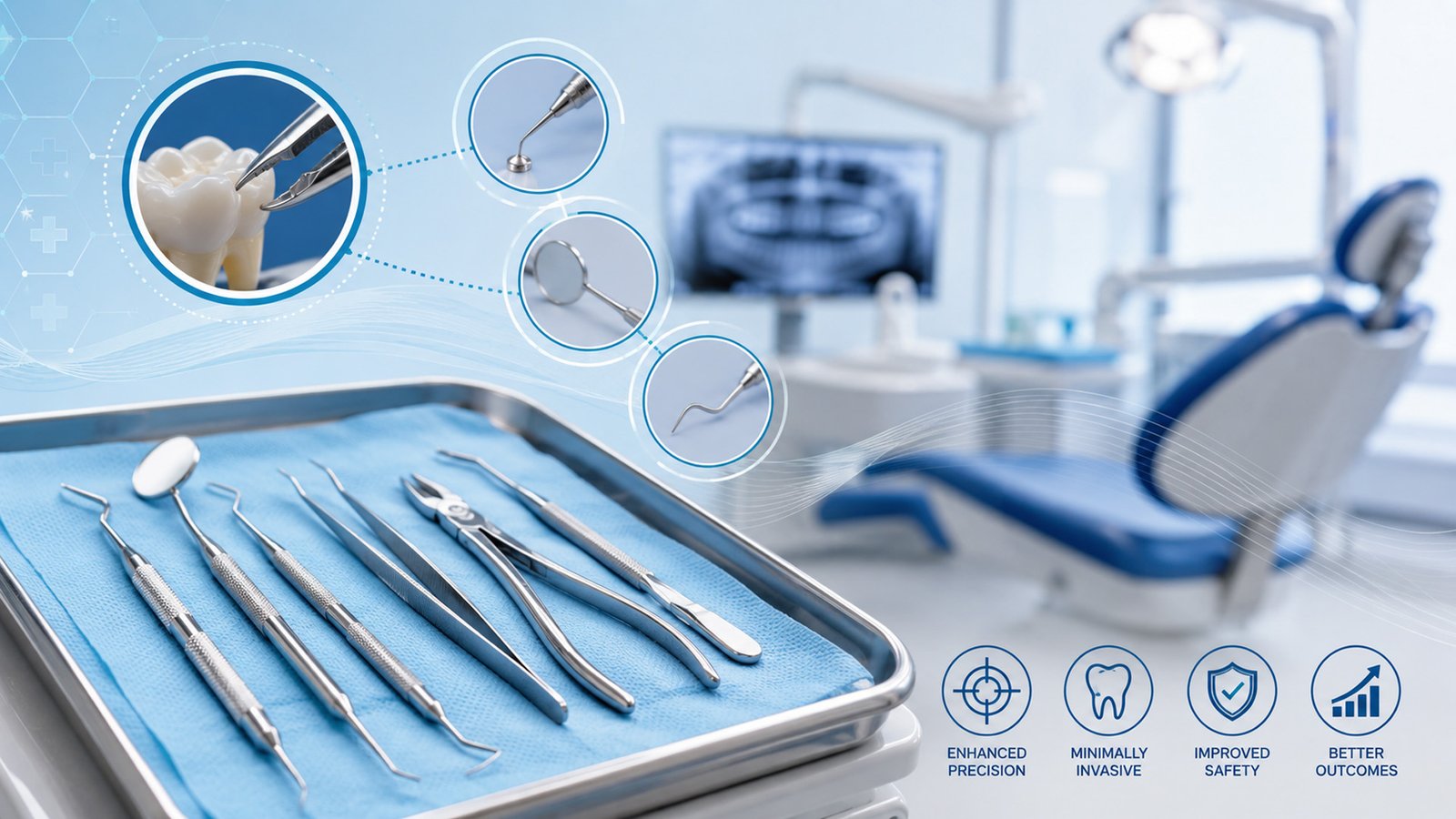
Modern dentistry has evolved far beyond routine cleanings and simple tooth extractions. Today’s dental professionals perform highly specialized procedures ranging from restorative treatments and endodontic therapy to implant placement and cosmetic dentistry. The success of these procedures depends not only on clinical expertise but also on the quality and precision of the dental instruments used throughout treatment.
The importance of advanced dental instrumentation continues to grow alongside the increasing demand for oral healthcare worldwide. According to the World Health Organization (WHO), oral diseases affect nearly 3.5 billion people globally, making them among the most common health conditions worldwide. As dental technologies and treatment techniques continue to advance, precision-focused dental surgical instruments play a critical role in improving diagnostic accuracy, treatment outcomes, and patient comfort.
At AMG Medical, we recognize that every successful dental procedure begins with reliable, high-quality surgical instruments designed to meet the exacting standards of modern dental practice.
What Are Dental Instruments?
Dental instruments are specialized tools used by dental professionals to diagnose, examine, treat, restore, and maintain oral health. These instruments are specifically designed to provide optimal visibility, access, and control within the confined environment of the oral cavity.
Unlike general medical tools, dental surgery instruments are engineered to perform highly precise tasks involving teeth, gums, bone structures, and surrounding tissues. Their design enables dentists to work accurately while minimizing patient discomfort and preserving healthy tissue.
Dental instruments are commonly used in:
- Preventive dentistry
- Restorative procedures
- Endodontic treatments
- Periodontal therapy
- Oral surgery
- Prosthodontics
- Cosmetic dentistry
- Dental implant procedures
Categories of Dental Surgical Instruments
1. Diagnostic Instruments
Accurate diagnosis is the foundation of effective dental treatment. Diagnostic instruments allow dentists to assess oral health conditions and identify potential concerns at an early stage.
Common diagnostic instruments include:
- Mouth mirrors
- Dental explorers
- Periodontal probes
- Cotton pliers
These tools help practitioners evaluate tooth surfaces, detect cavities, assess gum health, and examine hard-to-reach areas within the mouth.
2. Restorative Instruments
Restorative procedures require instruments that support the placement and shaping of dental materials.
Examples include:
- Amalgam carriers
- Composite placement instruments
- Burnishers
- Condensers
- Carvers
These instruments allow dentists to restore damaged teeth with precision while achieving optimal functionality and aesthetics.
3. Extraction Instruments
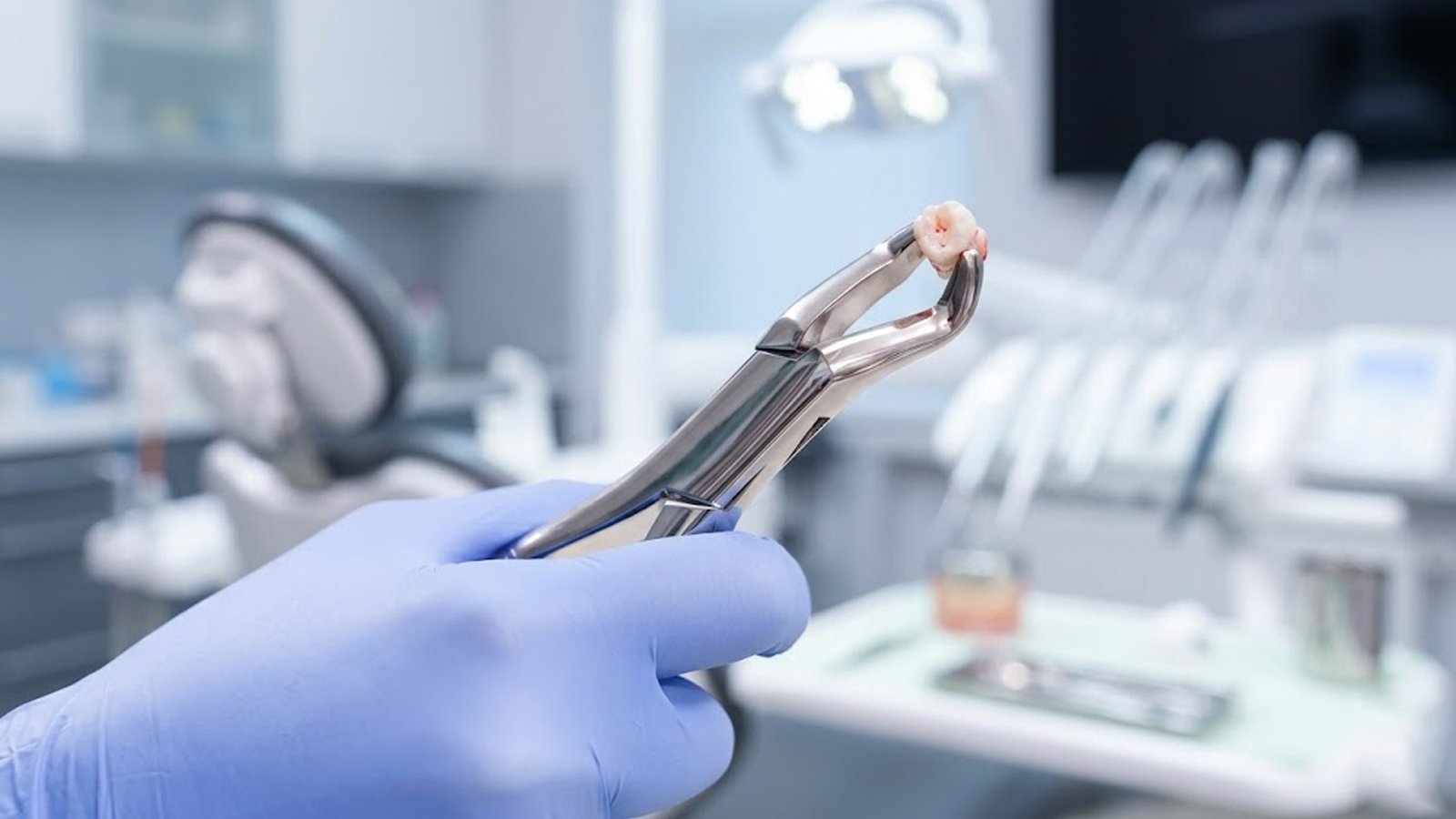
Tooth extraction procedures require specialized instruments designed for controlled and efficient removal.
Common extraction instruments include:
- Dental forceps
- Elevators
- Root tip picks
- Extraction levers
Their design allows clinicians to apply precise force while minimizing trauma to surrounding tissues and bone structures.
4. Periodontal Instruments
Periodontal treatments focus on maintaining healthy gums and supporting structures around the teeth.
Frequently used instruments include:
- Scalers
- Curettes
- Periodontal files
- Surgical periodontal knives
These instruments help remove plaque, calculus, and diseased tissue while promoting improved periodontal health.
5. Endodontic Instruments
Root canal therapy requires highly specialized instruments capable of accessing and cleaning intricate canal systems.
Examples include:
- Endodontic files
- Reamers
- Broaches
- Irrigation needles
Precision in endodontics is essential because successful treatment depends on thoroughly cleaning and shaping complex root canal anatomy.
6. Surgical Dental Instruments
Oral surgical procedures demand instruments capable of delivering exceptional control and accuracy.
Common surgical instruments include:
- Surgical scissors
- Tissue forceps
- Needle holders
- Bone chisels
- Surgical retractors
These tools support procedures such as impacted tooth removal, bone grafting, and implant surgery.
How Do Surgical Dental Instruments Support Precision in Modern Dentistry?
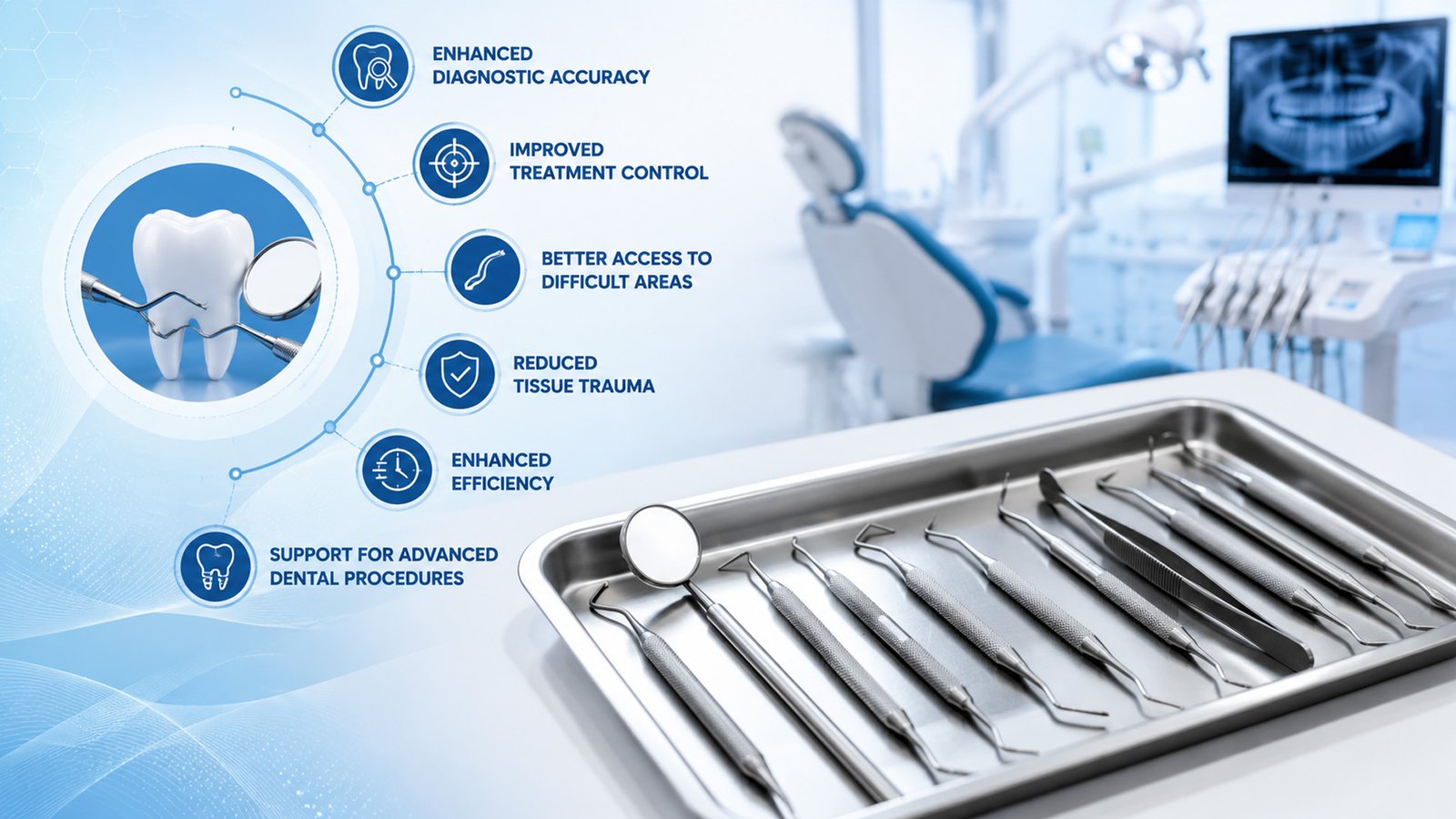
Enhanced Diagnostic Accuracy
Modern surgical instruments help practitioners identify oral health issues earlier and more accurately. High-quality diagnostic tools improve visibility and tactile feedback, enabling dentists to detect conditions that may otherwise go unnoticed.
Early detection often leads to more conservative treatments and better long-term outcomes.
Improved Treatment Control
Precision-designed instruments allow dentists to perform procedures with greater accuracy and confidence. Whether placing a restoration or performing a root canal, instrument control directly impacts treatment success.
Well-balanced instruments enhance handling and reduce unnecessary movement during delicate procedures.
Better Access to Difficult Areas
The oral cavity presents unique challenges due to limited working space. Specialized dental instruments are designed to access difficult-to-reach areas while maintaining visibility and precision.
This capability is particularly important during endodontic, periodontal, and implant procedures.
Reduced Tissue Trauma
Modern instrument designs help minimize damage to surrounding tissues during treatment. Fine tips, ergonomic handles, and precision-engineered working ends allow clinicians to preserve healthy structures while addressing the affected area.
Reduced tissue trauma often contributes to faster healing and improved patient comfort.
Enhanced Efficiency
Efficient instruments help streamline clinical workflows and reduce procedure times. When instruments perform reliably and consistently, dental professionals can focus more effectively on patient care and treatment quality.
Support for Advanced Dental Procedures
As dentistry continues to embrace digital technologies and minimally invasive techniques, specialized instruments remain essential for supporting advanced treatments such as:
- Dental implant placement
- Guided surgery
- Microsurgical procedures
- Cosmetic restorations
- Digital dentistry workflows
Precision instrumentation helps ensure predictable outcomes in increasingly sophisticated dental procedures.
Key Features of High-Quality Surgical Dental Instruments
When selecting dental surgery instruments, healthcare professionals should prioritize:
- Premium-grade stainless steel construction
- Corrosion resistance
- Precision manufacturing
- Ergonomic design
- Long-lasting sharpness
- Reliable sterilization compatibility
- Durability under repeated clinical use
High-quality instruments not only improve clinical performance but also contribute to long-term cost efficiency for dental practices.
Why Instrument Quality Matters in Dentistry
Even the most skilled dental professionals depend on reliable instruments to achieve optimal results. Poorly manufactured tools can compromise precision, reduce efficiency, and potentially affect patient outcomes.
Consistent instrument quality supports:
- Greater procedural accuracy
- Improved patient safety
- Better treatment outcomes
- Enhanced practitioner confidence
- Increased operational efficiency
As dental procedures become more sophisticated, investing in premium instruments becomes increasingly important for maintaining clinical excellence.
Why Healthcare Professionals Choose AMG Medical
At AMG Medical, we are committed to providing healthcare professionals with precision-engineered instruments designed to meet the evolving demands of modern dentistry.
Our dental surgical instrument solutions are manufactured to support:
- Exceptional precision
- Consistent performance
- Enhanced clinician control
- Long-term durability
- Compliance with international quality standards
Through advanced manufacturing processes and rigorous quality assurance, AMG Medical delivers dependable surgical instrument suppliers that help practitioners provide outstanding patient care.
Conclusion
Dental surgical instruments are fundamental to the success of modern dental practice. From diagnosis and preventive care to restorative treatments and oral surgery, these specialized tools enable clinicians to perform procedures with exceptional precision and confidence.
As dental technologies continue to evolve, high-quality instruments remain essential for improving accuracy, efficiency, patient safety, and treatment outcomes. By investing in precision-engineered dental surgery instruments, healthcare professionals can deliver the highest standards of care while supporting long-term clinical success.
At AMG Medical, we remain dedicated to supplying innovative dental instrument solutions that empower dental professionals to achieve excellence in every procedure.
One Response