

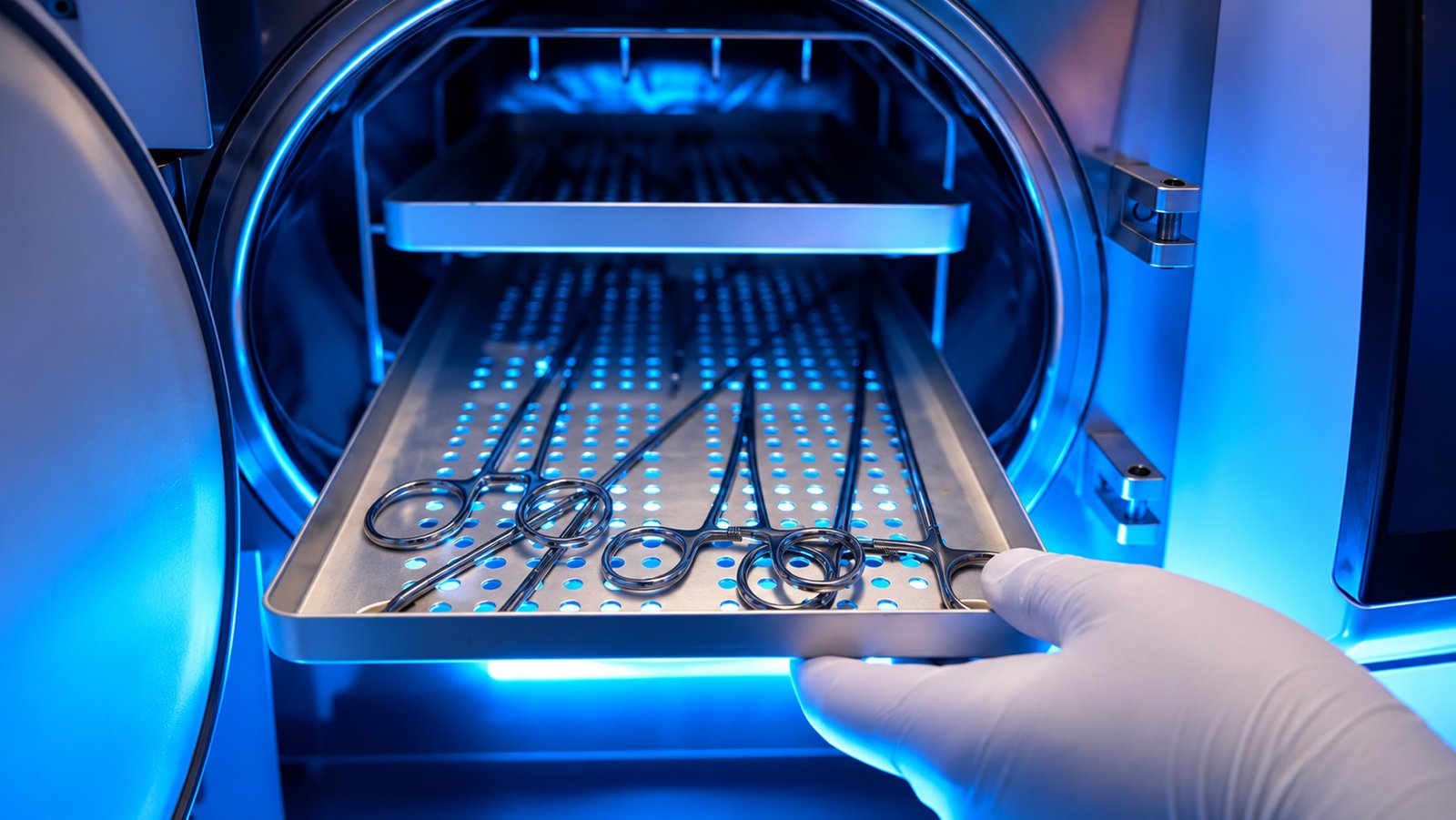
Sterilization is one of the most critical processes in hospitals and health care institutions. To minimize the risk of healthcare-associated infections, hospitals properly sterilize surgical instruments, medical equipment, and reusable clinical tools. Thus, selecting the right type of autoclave machine is a crucial decision for hospital managers, purchasing departments, and medical equipment suppliers.
A well-designed sterilization system helps maintain cleanliness in healthcare settings, supports infection prevention, and streamlines routine procedures. But not all sterilization machines work in every medical setting. Before buying, consider the following: chamber capacity, temperature control, pressure settings, cycle options, safety features, and maintenance requirements.
In this guide, we explore how an autoclave works, the different types available, and the key features hospitals should evaluate when selecting suitable sterilization equipment.
What Is an Autoclave Machine?
An autoclave machine is a medical device that sterilizes items using saturated steam under pressure and controlled temperatures; this process destroys microorganisms such as bacteria, viruses, fungi, and bacterial spores.
Hospitals, surgical centers, laboratories, dental offices, and other health care facilities widely use it to sterilize reusable medical instruments.
This is done by exposing instruments and other appropriate materials to steam at controlled pressure and temperature for a predetermined time. Depending on the equipment, load, packaging, and validated instructions, the exact sterilization cycle will vary.
Autoclaves are especially important for sterilizing reusable surgical instruments, medical tools, and other heat- and moisture-resistant equipment.
How Does Autoclave Sterilization Work?
Autoclave Sterilization is a high-temperature, high-pressure process that sterilizes appropriate medical instruments with saturated steam. The heat, moisture, and exposure time eliminate microorganisms and resistant spores.
A typical sterilization cycle has several stages.
Loading the Instruments
The sterilization chamber is used to clean, inspect, prepare, and arrange medical instruments. If “correct loading” is used, it will enable the steam to reach all surfaces effectively.
Air Removal
Trapped air can otherwise interfere with proper steam contact with instrument surfaces. Several methods remove air from autoclaves of various designs.
Steam Introduction
The saturated steam is introduced into the chamber, increasing steam temperature and pressure to the levels required for the sterilization cycle.
Sterilization Exposure
The instruments are kept under the specified temperature and pressure for a determined time, and this has been validated. This is crucial to successful sterilization.
Exhaust and Drying
The steam is then allowed to escape slowly after the exposure process. Instruments may be dried before removal, depending on the instrument and cycle.
Cycle Completion
The machine automatically runs the programmed cycle and signals when the load is safe to remove, based on the manufacturer’s instructions and facility procedures.
Types of Autoclave Machines Used in Hospitals
Hospitals have different sterilization requirements depending on their size, departments, and daily instrument usage. Understanding the available machine types helps buyers select suitable equipment.
1. Gravity Displacement Autoclave
Gravity displacement autoclaves use steam to push air out of the sterilization chamber through a drainage outlet.
Common applications:
- Sterilizing suitable unwrapped instruments.
- Processing certain laboratory materials.
- Sterilizing appropriate nonporous medical equipment.
These machines are commonly used where the load types are compatible with gravity displacement technology.
2. Pre-Vacuum Autoclave
Pre-vacuum autoclaves use a vacuum system to remove air from the chamber before introducing steam. This allows steam to penetrate porous materials and complex instrument loads more effectively.
Common applications:
- Surgical instrument sterilization.
- Processing wrapped instrument sets.
- Sterilizing suitable porous materials.
- Hospital central sterile services departments (CSSD).
These systems are particularly useful in hospitals with demanding sterilization requirements.
3. Tabletop Autoclave
Tabletop autoclaves are compact sterilization devices designed for smaller healthcare environments.
Common applications:
- Dental clinics.
- Small medical practices.
- Outpatient facilities.
- Minor procedure rooms.
Their compact design suits facilities with limited space and lower sterilization volumes.
4. Vertical Autoclave
Vertical autoclaves feature a vertically positioned sterilization chamber and are commonly used in laboratories and certain healthcare settings.
Common applications:
- Laboratory equipment sterilization.
- Suitable for medical instruments.
- Research and testing environments.
Evaluate capacity and loading requirements before selecting this design for hospital applications.
Key Features Buyers Should Consider When Purchasing an Autoclave Machine
Selecting the right sterilization equipment requires careful evaluation of technical specifications and operational requirements. Hospitals should consider the following features before deciding to purchase.
1. Chamber Capacity
Chamber capacity determines how many instruments or materials can be processed during one cycle.
Hospitals with large surgical departments may require higher-capacity systems, while smaller clinics may benefit from compact equipment.
Before purchasing, consider:
- Daily sterilization volume.
- Number of operating rooms.
- Size of instrument trays.
- Available installation space.
- Expected future demand.
Choosing appropriate capacity helps healthcare facilities manage sterilization workloads efficiently.
2. Temperature and Pressure Control
Accurate temperature and pressure control are essential for effective steam sterilization.
A reliable machine should provide controlled operating parameters and monitoring systems to ensure that the selected cycle follows its validated requirements.
Buyers should review the machine’s temperature range, pressure specifications, monitoring capabilities, and available sterilization programs.
3. Automatic Control System
Modern sterilization equipment may include programmable controls and automated operating systems.
These features help healthcare staff manage different sterilization cycles more consistently.
Important features may include:
- Digital control panels.
- Programmable sterilization cycles.
- Automatic cycle monitoring.
- Error and alarm notifications.
- Cycle completion indicators.
4. Safety Features
Make safety a priority when selecting an autoclave machine sterilizer for hospital use.
The machine operates under high temperatures and pressure, so appropriate safety mechanisms are essential.
Look for features such as:
- Pressure safety valves.
- Door-locking mechanisms.
- Overtemperature protection.
- Pressure monitoring systems.
- Emergency shutdown functions.
- Automatic fault detection.
These features help protect operators and support safe equipment operation.
5. Drying Performance
Effective drying is important when processing wrapped instruments and other loads that require dry storage after sterilization.
Residual moisture can compromise packaging integrity and increase the risk of contamination during storage.
Hospitals should evaluate the drying system and confirm whether its performance suits their intended instrument loads.
6. Energy and Water Efficiency
Many healthcare facilities use sterilization equipment regularly. Energy and water consumption can therefore influence long-term operating costs.
Buyers should compare equipment specifications, cycle duration, water requirements, and energy consumption when evaluating different models.
7. Maintenance and Technical Support
Regular maintenance helps keep sterilization equipment operating according to manufacturer specifications.
Before purchasing, hospitals should confirm the availability of technical support, spare parts, maintenance instructions, and service arrangements.
A supplier that can provide dependable after-sales support can make equipment ownership easier to manage.
Why Hospitals Need a Reliable Autoclave Sterilizer Supplier
Purchasing sterilization equipment is a long-term investment. Hospitals need more than a machine; they also need a supplier that understands healthcare procurement requirements.
A reliable autoclave sterilizer supplier can support hospitals in several ways.
Product Quality and Reliability
Equipment should be manufactured according to applicable quality and safety requirements. Buyers should review product specifications, manufacturing information, and relevant documentation.
Technical Documentation
Hospitals may require operating manuals, installation instructions, maintenance guidelines, and technical specifications.
Clear documentation helps healthcare teams understand the equipment and follow the manufacturer’s recommendations.
Installation and Training Support
Proper installation and operator training are essential for safe, effective equipment use.
Hospitals should confirm whether installation guidance, operational training, and technical assistance are available.
After-Sales Service
Sterilization equipment requires regular inspection and maintenance. Access to spare parts and technical support can help hospitals manage equipment downtime.
International Supply Capabilities
For international buyers and medical distributors, supplier experience with export documentation, packaging, and shipping requirements is also important.
Common Mistakes to Avoid When Buying an Autoclave Machine
Hospitals can avoid unnecessary procurement challenges by evaluating their requirements before selecting sterilization equipment.
Some common mistakes include:
- Choosing Capacity Based Only on Price: A low-cost machine may not provide enough chamber capacity for a hospital’s daily sterilization workload.
- Ignoring Load Compatibility: Not every autoclave is suitable for every type of instrument or material. Buyers must confirm compatibility with the intended loads.
- Overlooking Safety Features: Pressure and temperature protection mechanisms should always be evaluated.
- Neglecting Maintenance Requirements: Hospitals should consider long-term servicing, spare parts, and maintenance costs.
- Not Reviewing Product Documentation: Technical specifications and applicable compliance documentation should be checked before purchasing.
Avoiding these mistakes helps procurement teams make more informed equipment decisions.
AMG Medical: Supporting Healthcare Equipment Procurement
At AMG Medical, we understand that hospitals and healthcare organizations depend on reliable medical equipment and surgical supplies to run efficiently.
We support healthcare providers, medical distributors, and procurement professionals with quality-focused medical products and dependable supply partnerships.
When evaluating sterilization equipment, healthcare buyers should consider technical specifications, intended applications, safety features, and maintenance requirements. Selecting suitable equipment from a dependable supplier can support better procurement planning and long-term operational efficiency.
AMG Medical is committed to serving international healthcare markets by focusing on product quality, professional support, and reliable medical supply solutions.
Conclusion
Choosing the right autoclave machine is an important decision for hospitals because effective sterilization supports infection prevention and the safe reuse of compatible medical instruments.
Before purchasing, healthcare facilities should evaluate chamber capacity, temperature control, operating pressure, automated functions, safety mechanisms, and maintenance requirements. They should also consider the supplier’s technical support and ability to meet long-term procurement needs.
By selecting appropriate sterilization equipment and working with dependable medical equipment suppliers, hospitals can strengthen their sterilization processes and support more efficient healthcare operations.
FAQs
What is an autoclave machine used for in hospitals?
An autoclave sterilizes suitable reusable medical instruments and materials using pressurized saturated steam. It helps destroy microorganisms, including bacterial spores.
What temperature is commonly used for autoclave sterilization?
Common steam sterilization temperatures include 121°C and 132–134°C. The correct temperature and exposure time depend on the sterilizer, load type, packaging, and validated cycle instructions.
What is the difference between an autoclave and an autoclave sterilizer?
The terms are commonly used interchangeably. Both refer to equipment that uses controlled pressurized steam to sterilize compatible instruments and materials.
Which type of autoclave is best for hospitals?
The best type depends on the hospital’s sterilization workload and the materials being processed. Hospitals commonly use pre-vacuum autoclaves for suitable wrapped and porous loads, while other designs may suit specific applications.
How often should an autoclave machine be maintained?
Maintenance frequency depends on the manufacturer’s instructions, equipment usage, and applicable healthcare requirements. The facility’s maintenance program should include regular inspections, servicing, and performance testing.
What should buyers check before purchasing an autoclave?
Buyers should evaluate chamber capacity, temperature and pressure controls, sterilization cycles, safety features, drying performance, energy requirements, maintenance support, and product documentation.