

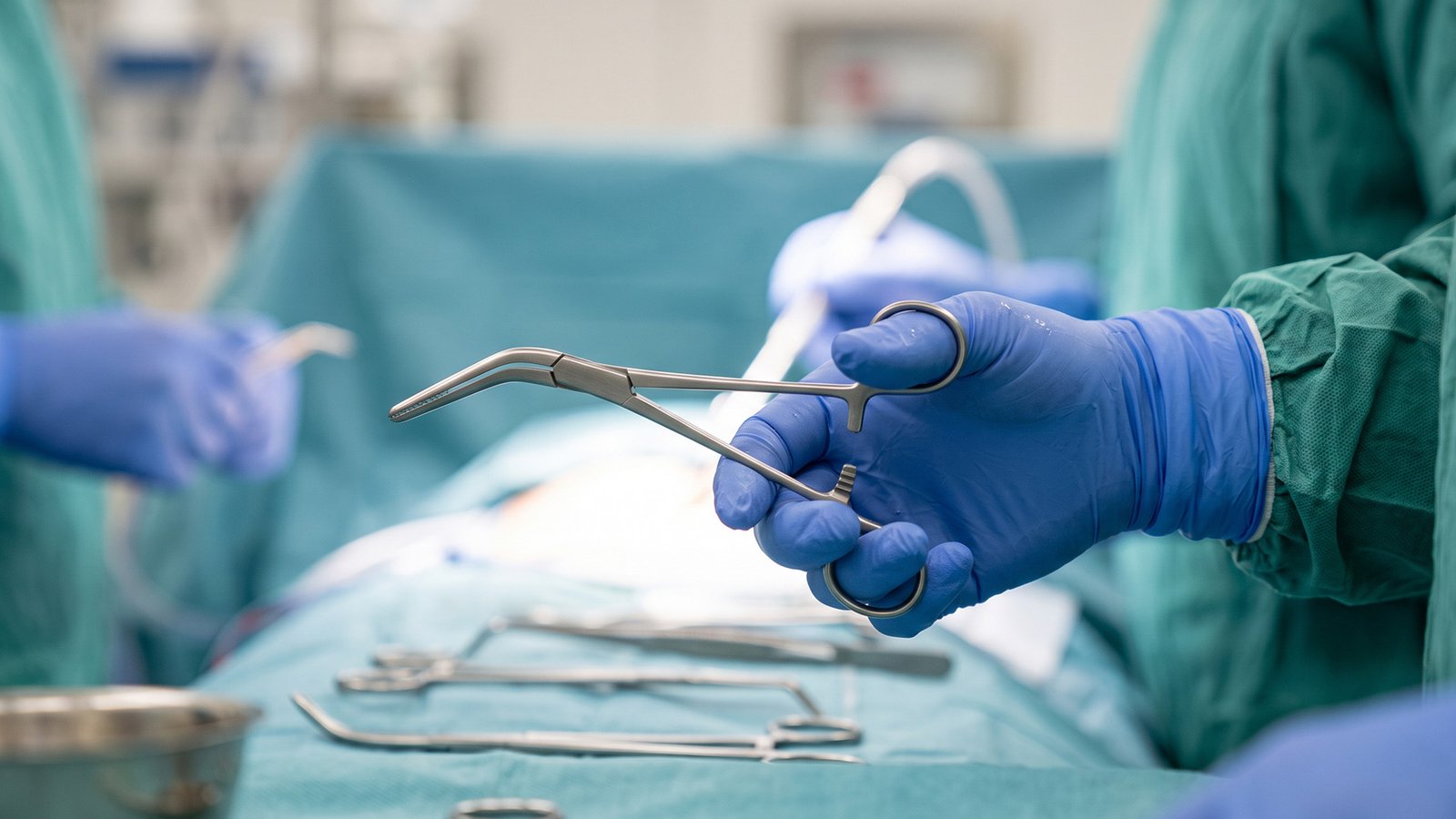
In today’s surgery, accuracy and control play a vital role in the success of the surgical procedure. Operating rooms have numerous special surgical instruments, including the vascular clamp, which can temporarily halt the flow of blood, control blood flow, and provide a clear surgical field. Whether it is a cardiovascular surgical procedure, transplants, neurosurgery, or reconstructive surgery, selecting the appropriate vascular clamp can make a big difference in the effectiveness and safety of the surgery.
According to recent reports of the healthcare industry, the surgical instruments market is set to grow further with the growing investment in healthcare infrastructure, the growing surgical procedures, and the advancement of minimally invasive surgical techniques. Now, it’s the job of hospitals and healthcare providers to purchase surgical wands of good quality that meet international safety and performance criteria. The need has also been growing, and thus it is necessary to have reliable vascular clamps for a variety of surgical procedures.
Choosing the correct clamp is not a simple task of going to a catalogue and selecting an instrument. Each procedure has a different jaw design, jaw length, locking system, and pressure distribution, resulting in a different occlusion of the vessel and tissue trauma. All instruments have a specific clinical purpose, for example a bulldog vascular clamp for microsurgery, or a Satinsky vascular clamp for partial occlusion of a vessel.
We understand the importance of supplying high-quality surgical equipment to hospitals, surgical centres and doctors that is accurate, durable and reliable. We have a vast range of vascular instruments which are designed to support surgeons in various specialties and are designed as per the international quality standards.
Let’s discuss the different types of vascular surgical clamps available, what they are used for, some common applications, and selecting the appropriate clamp for the appropriate procedure.
What Is a Vascular Clamp?
A vascular clamp is a special surgical tool for temporary occlusion or restriction of blood circulation during surgery in an artery or vein. A surgical clamp applies pressure in a controlled manner without undue tissue damage that would be caused by using standard hemostatic forceps.
The vascular surgical clamps available today are available in different shapes, have atraumatic jaws and serrated edges which are intended for clamping a vessel without causing a significant amount of tissue damage. These items are made in a variety of sizes, shapes and configurations for the various diameters of vessels and surgical techniques.
- Vascular surgical clamps serve the following main purposes:
- Temporary vessel occlusion
- Blood flow control
- Treatment to prevent excessive bleedingPrevention of excessive bleeding.
- Improved surgical visibility
- Protection of neighbouring tissues
- Encouragement of the healing of the blood vessels.
Types of Vascular Surgical Clamps
The type of surgical specialties varies, and so do the designs of the vascular surgical clamp. The knowledge of these variations aids in the selection of instruments that will suit the needs of the procedure.
Satinsky Vascular Clamp
The Satinsky vascular clamp is one of the most frequently used tools in cardiovascular and transplant surgery. The curved jaws enable the surgeon to partially close large blood vessels without stopping blood flow.
The Satinsky clamp vascular design offers good control in complex vascular reconstruction, as complete vessel occlusion is not necessarily desired.
Common Applications
- Cardiac surgery
- Kidney transplantation
- Liver transplantation
- Vascular bypass procedures
- Aortic repair
Benefits
- Curved jaws
- Partial vessel occlusion
- Atraumatic serrations
- Strong locking mechanism
- The night angle is very good. Good visibility during surgery.
The vascular clamp Satinsky is almost an indispensable tool in the hands of hospitals that perform highly specialized cardiovascular surgery.
DeBakey Vascular Clamp
The DeBakey vascular clamp is used in delicate vascular procedures that require minimal tissue trauma.
“This instrument is named after famous cardiovascular surgeon Dr Michael DeBakey and is used to apply pressure evenly to blood vessels and has fine longitudinal serrations.”
Clinical Applications
- Bypass Surgery of the Coronary Artery
- Peripheral vascular surgery
- Carotid artery procedures
- Aneurysm repair
- Pediatric cardiovascular surgery
Benefits
- Excellent vessel protection
- Lightweight construction
- Superior surgical precision
- Minimal endothelial damage
- Comfortable handling
The DeBakey vascular clamp continues to be a surgeon’s first choice instrument in highly sensitive vascular surgery.
Bulldog Vascular Clamp
Bulldog vascular clamp is a small spring-loaded clamp for the temporary occlusion of small arteries and veins.
Unlike traditional clamps, Bulldog clamps are applied directly to the vessel, without long handles, making them suitable for surgical areas with limited space.
Clinical Applications
- Microsurgery
- Plastic surgery
- Organ transplantation
- Peripheral vascular procedures
- Neurosurgery
Benefits
- Lightweight
- Easy application
- Small profile
- Consistent pressure
- Excellent maneuverability
The vascular bulldog clamp is often used by many surgeons when they need to temporarily control a vessel in a procedure where the operative area is not particularly obstructed.
Clinical Applications of Vascular Clamps
Modern vascular surgical clamps are indispensable across numerous surgical specialties.
Cardiovascular Surgery
Cardiac surgeons rely on surgical clamps during bypass surgery, valve replacement, and aortic repair to achieve temporary vessel occlusion while maintaining procedural control.
The Satinsky vascular clamp is particularly valuable for partial occlusion of large vessels during these complex operations.
Organ Transplantation
During kidney and liver transplantation, surgeons use a vascular surgical clamp to control blood flow while creating vascular anastomoses.
Both the Satinsky clamp and DeBakey vascular clamp are commonly selected depending on the surgical technique and vessel size.
Neurosurgery
Neurosurgical procedures demand exceptional precision due to the delicate nature of cerebral blood vessels. Surgeons use specialized surgical clamps to temporarily occlude arteries while performing aneurysm repairs, vascular reconstructions, and other intricate procedures.
The bulldog vascular clamp is particularly valuable in microsurgical settings because of its compact size, consistent pressure, and ease of placement in confined operative fields.
Plastic and Reconstructive Surgery
Microvascular reconstruction often involves reconnecting tiny arteries and veins to restore blood circulation to transplanted tissues. Reliable vessel control is essential to ensure successful outcomes.
The vascular bulldog clamp is frequently used during flap surgeries, free tissue transfers, and reconstructive procedures where temporary vascular occlusion is required without damaging delicate vessels.
Peripheral Vascular Surgery
Peripheral vascular procedures, including arterial bypass surgeries and vascular repairs, require instruments that provide precise control while minimizing trauma.
Both the DeBakey vascular clamp and Satinsky vascular clamp are commonly selected depending on the size of the blood vessel and the complexity of the procedure.
Trauma Surgery
In emergency trauma cases, rapid hemorrhage control can be lifesaving. Surgeons rely on high-quality clamp vascular instruments to quickly isolate damaged vessels and reduce blood loss until definitive repair can be completed.
How to Select the Right Vascular Clamp?
The type of surgical clamp to be used is determined by the surgical needs, the tissue being clamped, and the procedure to be performed. Better surgical outcomes due to size, shape, material, ergonomics, and regulatory compliance.
Here are some points that will help in choosing the right vascular clamp for surgical procedures.
Depending on the type of surgery, select special clamps for cardiovascular, microvascular, or general procedures
- Vessel Size & Sensitivity: Apply appropriate size and pressure for safe and effective occlusion.
- Jaw Design: Use straight for open access. Angled or curved clamps are for confined areas
- Atraumatic Features: Use fine jaws to reduce damage to fragile vessels
- Material Quality: Choose materials of a surgical grade for long-lasting and reliable performance.
When using handling & control, ensure there is a secure grip and/or a balanced design for precision.
Common Mistakes to Avoid When Purchasing Vascular Clamps
Hospital procurement teams should avoid several common purchasing mistakes.
Choosing Based Only on Price
A low-cost vascular surgical clamp may not provide the same durability or precision as premium-quality surgical instruments.
Ignoring Surgical Specialty Requirements
Selecting the wrong Satinsky clamp vascular or clamp vascular bulldog for a procedure may affect surgical efficiency and vessel protection.
Overlooking Material Quality
Premium stainless steel construction ensures long-lasting performance for surgical clamps used in demanding operating room environments.
Buying from Unverified Suppliers
Partnering with trusted medical equipment suppliers ensures hospitals receive certified vascular clamp solutions that meet international quality standards.
Why Healthcare Providers Choose AMG Medical
We at AMG Medical know that a surgeon needs a surgical clamp that is reliable to do him/her delicate surgery with confidence. All the Satinsky vascular clamp models, DeBakey vascular clamp models, and bulldog vascular clamp models are manufactured using medical-grade stainless steel for ultimate durability and accuracy.
AMG Medical offers reliable surgical solutions according to international quality standards, such as the vascular Satinsky clamp for cardiovascular surgery, the vascular bulldog clamp for microsurgical procedures, and other specialized clamps vascular.
Conclusion
Choosing the right vascular clamp is essential for ensuring precision, patient safety, and successful surgical outcomes. Each of the versatile Satinsky vascular clamp, the highly specialized DeBakey vascular clamp, and the compact bulldog vascular clamp is an essential part of modern surgery.
The characteristics of the various vascular clamps, such as jaw design, material quality, ease of use, and the clinical use of the clamp, should be carefully considered by healthcare providers. Choosing the right Satinsky clamp or vascular bulldog clamp can enhance surgical efficiency, reduce tissue damage, and minimize scarring.
We will always provide our hospitals and healthcare professionals with the highest quality, reliable, and clinically effective vascular surgical clamp.