

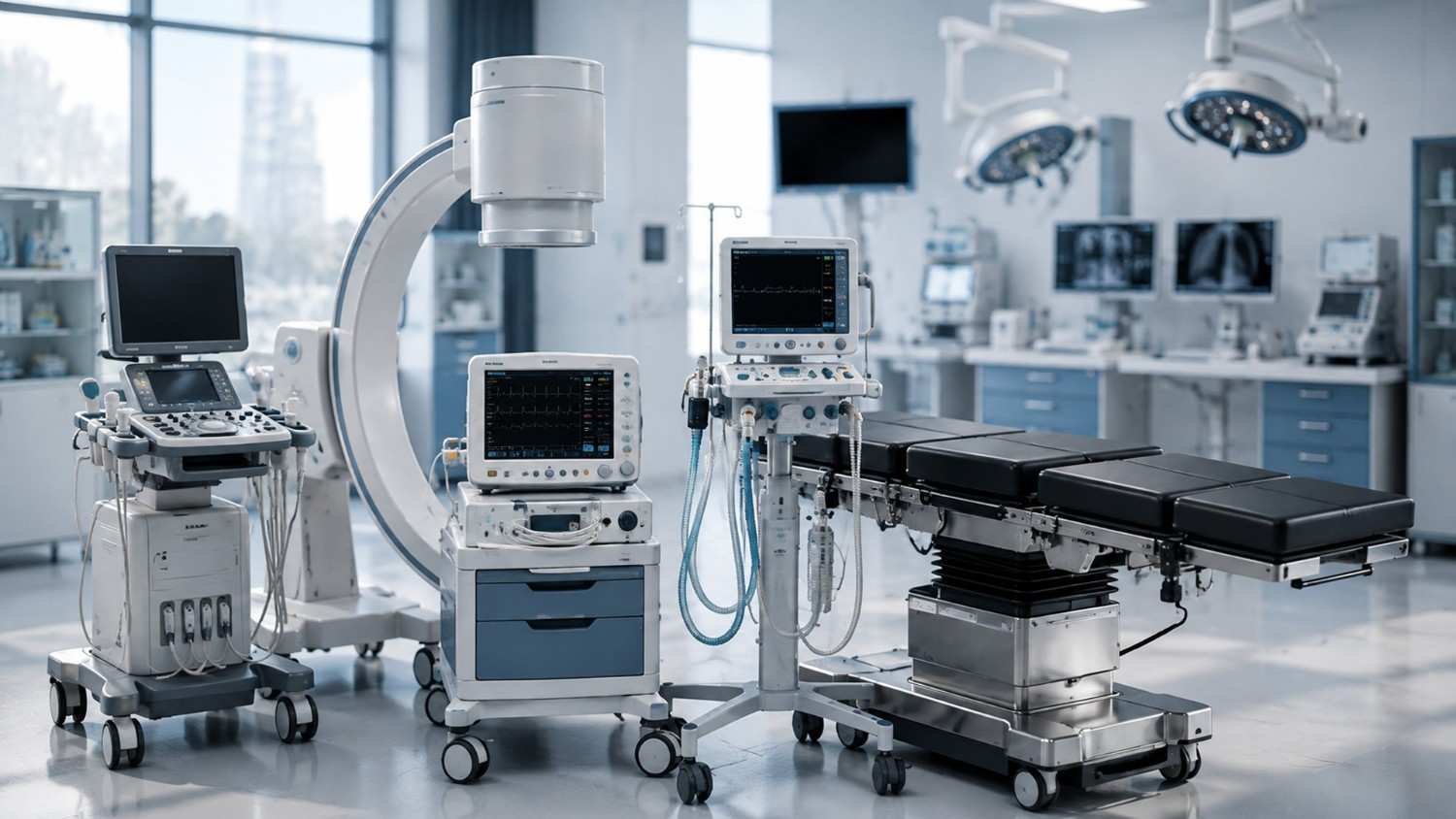
Medical equipment plays a vital role in healthcare facilities, enabling patient treatment, clinical processes, and daily operations. Buying brand-new equipment for each need can, however, push hospital budgets to the breaking point, especially if they are expanding their patient capacity, replacing old equipment, or adding equipment to more than one department.
Refurbished medical equipment can be one viable solution to procurement. By refurbishing equipment properly and using it in healthcare, organizations can obtain access to functional technology that is professionally inspected and can even save on the initial costs of buying new technology.
There should be more to the price decision for hospital procurement teams. The reliability, maintenance, warranty, and performance testing of the equipment, its condition and the standards of refurbishment, as well as documentation and reliability of the supplier, are all significant factors to measure before buying, and all of these are really affected when purchasing from reputable refurbished medical equipment suppliers.
What Is Refurbished Medical Equipment?
Refurbished Medical Equipment means medical equipment that is used in the medical field but has been inspected, cleaned, repaired, tested, and restored to a defined standard for subsequent use. Roughly put, medical equipment refurbished to a suitable standard is equipment that could be restored to a reliable, near-original working condition.
All equipment refurbishment processes are different depending on the type of equipment, manufacturer requirements, applicable regulations, and the refurbished medical equipment suppliers. Worn parts, software upgrades, calibration, electrical safety testing, or other technical evaluations might need to be performed on some equipment.
Whether equipment has been used before is not the only factor to consider; the most critical question for healthcare organizations is how well it has been inspected, tested, documented, and prepared for the application that it will be used for.
How Is Medical Equipment Refurbished?
A professional medical equipment refurbishing process typically consists of several stages aimed at assessing the condition of the equipment and restoring its proper functionality.
- Initial Inspection: Equipment is inspected for obvious damage, wear, missing parts, and possible function problems.
- Cleaning and Decontamination: Equipment is cleaned as necessary per procedures before technical work and testing are conducted.
- Component Assessment: Critical components are assessed to see if they are still fit for continued use or if they need to be replaced.
- Repair and Replacement: The damaged or worn parts can be repaired or replaced if necessary for the equipment.
- Performance Testing: The equipment is tested in order to ensure that the equipment’s relevant functions behave as specified.
- Safety and Quality Checks: Safety and quality checks are appropriate and carried out before the equipment is put into service.
- Documentation: Refurbishment records, testing information, service history, warranty information, and other documentation may be available depending on the equipment and supplier.
Whether it’s general equipment refurbishment or specialized refurbished surgical equipment restoration, the process is transparent, allowing procurement teams to have more confidence in assessing used equipment.
Why Healthcare Facilities Consider Refurbished Equipment
One of the essential components of healthcare procurement is budget management. Hospitals must operate at an acceptable level of clinical performance, while reducing costs and capital expenditure.
For healthcare organisations looking for a solution where a previously used piece of equipment can still adequately meet operational and clinical needs, refurbished equipment may be a viable option.
Potential advantages include:
- Reduced start-up prices
- The ability to access established models of equipment
- More rapid replacement of some equipment
- The ability of the clinical staff to expand its capacity
- Easier-to-reach budgets for procurement, which are more flexible.
- Extended use of functional equipment (may be longer)
The benefits, however, hinge on the category of the equipment, refurbishment quality, supplier reputation, and intended application, which is precisely why it is as important as the equipment itself to source from reliable medical equipment suppliers.
How Is Quality Ensured?
A common worry regarding refurbished equipment is trust. When it comes to refurbished equipment, the primary concern is typically one thing: can I trust it? Quality assurance is the main difference between a reliable refurbished product and a risky purchase. Check these characteristics when considering a supplier or individual unit:
Certified refurbishment process: The supplier uses a documented, standardized process for the refurbishment as opposed to ad hoc repairs that are carried out inconsistently from unit to unit.
Restored to meet or surpass original specifications: Not only “turned on” but restored to original performance specification.
Warranty coverage: A good refurbisher will back up their work with a warranty, just as you would expect for new equipment warranty.
Compliance with regulatory standards: Equipment complies with relevant health and safety regulations for your area in which you use the product (medical devices)
Transparent documentation: Service history, testing reports, and calibration records are not hidden or missing and are available upon request.
Trained technical staff: Refurbishment is done by trained people who have been trained on the equipment type and not just general electronics refurbishment experience.
It makes a difference when you work with a trusted supplier of medical equipment instead of a general used goods reseller. There is a special level of technical expertise, calibration equipment, and regulatory knowledge that is required to do medical-grade refurbishment, which is something that general refurbishers simply don’t possess. It pays to be careful about who you purchase from as well as what you purchase, in this instance.
How to Select the Right Refurbished Equipment
If you’re considering refurbished equipment for your facility or practice, keep these selection criteria in mind:
- Define your clinical need first. Know exactly what function, capacity, and specifications the equipment must meet before shopping — this keeps the search focused and prevents settling for a “close enough” fit that doesn’t actually serve your patients well.
- Choose a reputable, specialized supplier. Look for suppliers with medical equipment expertise, clear refurbishment protocols, and a track record serving healthcare providers specifically, not general resellers.
- Ask about the refurbishment process. A trustworthy supplier should be able to explain, in detail, what testing, parts replacement, cleaning, and calibration steps a unit went through before resale.
- Check the warranty terms. A solid warranty is one of the clearest signals of confidence in the equipment’s condition — and it protects your investment if something does go wrong.
- Review maintenance and service support. Confirm that parts, technical support, and servicing will be available down the line, not just at the point of sale. Equipment that can’t be serviced later becomes a liability, not a saving. Many facilities prefer suppliers who also offer ongoing equipment refurbishment services, so future maintenance doesn’t require finding a new vendor.
- Verify compliance documentation. Make sure the equipment meets the relevant regulatory and safety standards for your region and intended use, and ask for documentation rather than taking it on faith.
- Consider the total cost of ownership, not just the upfront price. Factor in expected remaining lifespan, maintenance needs, consumables, and the availability of replacement parts.
- Ask about the equipment’s history, where available — how it was previously used, why it was retired, and how long it’s been in the refurbishment supplier’s inventory.
- Match equipment tier to use case. A backup unit for occasional use may have different requirements than equipment used daily in a high-volume clinical setting — factor usage intensity into your decision.
Case Study: Supporting Cost-Conscious Healthcare Procurement
A multi-specialty healthcare facility needed to expand its equipment capacity while managing a limited procurement budget. The organization wanted dependable equipment without compromising its clinical and operational requirements.
The Challenge
The facility needed to control capital expenditure while replacing aging equipment and maintaining sufficient availability for different clinical departments.
The Approach
The procurement team evaluated equipment based on condition, performance, maintenance requirements, documentation, warranty coverage, and supplier reliability rather than considering purchase price alone.
Results
This structured approach helped the facility identify suitable equipment options, improve procurement planning, and make more informed purchasing decisions while balancing budget and operational requirements.
Key Takeaway
Refurbished equipment can be a valuable procurement option when its quality, condition, compliance, support, and long-term value are properly evaluated.
How AMG Medical Supports Healthcare Procurement
AMG Medical recognises that healthcare institutions need consistent products and dependable suppliers to aid their clinical operations. When buying medical equipment, hospitals, surgical centers, healthcare providers, and distributors need to consider quality, availability, performance, and procurement value.
Equipping with a professional approach involves the selection of products that meet the specific needs of healthcare organizations. That involves factors such as product specifications, quality level, supplier reliability, documentation, and the operational value of the product in the long run, including access to reliable equipment refurbishment services for products that might require refurbishment rather than replacement.
Having a medical supply partner who is knowledgeable in medical equipment can make the sourcing process easier and help inform a more educated purchase.
Conclusion
Refurbished medical equipment may offer another way for healthcare organisations to handle their equipment procurement, especially if budget efficiency and access to existing equipment models are concerns.
But just because it is refurbished doesn’t necessarily mean that it is of a high standard. Before purchasing the equipment, healthcare facilities should assess the equipment condition, testing, documentation, regulatory suitability, maintenance, warranty, and supplier support.
So the ideal procurement choice is always one that combines the clinical needs, quality, safety, reliability, and overall cost of ownership. A structured approach toward equipment refurbishment, coupled with the use of reliable, and specialized suppliers. It can help healthcare organizations make smarter purchases and help support efficient and sustainable healthcare operations.
Whether you are buying from general hospital to refurbished surgical devices, one-time purchases or equipment refurbishment services, the same rule applies: check the facts before making a purchase, and select those who specialize in medical equipment refurbishing rather than equipment resale.
Faqs
Is refurbished medical equipment safe to use on patients?
Yes, if it is from a reputable supplier who tests, calibrates, and documents the refurbishment process and any hygiene-sensitive parts are replaced, not reused.
What are the potential savings over new equipment?
Savings can be significant depending on the type and condition of the equipment, but refurbished units are typically quite a bit less expensive than new units and can be more affordable than buying advanced equipment.
Does refurbished equipment come with a warranty?
Good manufacturers will usually come with a warranty for their refurbished products. Never assume the length and terms of coverage when buying.
How do I know if a supplier is trustworthy?
Seek suppliers that specialize in medical equipment, have a clear refurbishment process. They supply documentation on demand, and have clear warranty and service support.