


What if the success of a surgical procedure could be determined by a tool that is smaller than the surgeon’s hand? Although surgeons are known for their precision and specialization, the tools they use are just as crucial to a surgeon’s success. The skill and experience of a surgeon are not the only ingredient in every successful surgical procedure. Behind every incision, tissue dissection, and wound closure is a carefully selected instrument in surgery designed to perform a specific function with accuracy, control, and reliability.
Whether used for simple tasks like forceps or complex procedures such as specialized instruments, every tool plays a crucial role in ensuring the efficiency, safety, and success of surgical procedures. They play a crucial role in modern healthcare, ensuring a speedy recovery for patients and providing enhanced precision and reduced complications with the right instrument.
In 2026, healthcare is continuing to evolve, and surgical centers and hospitals are becoming more focused on the quality of their surgical instruments to ensure precise and accurate procedures, minimize complications, and shorten recovery times. Even the best surgeons depend on reliable tools for optimum results.
We know at AMG Medical that each surgical instrument is an integral part of modern healthcare. As an organization dedicated to quality manufacturing, precision engineering, and international standards, we strive to provide healthcare professionals with superior patient care in many surgical specialties.
Understanding the Importance of Surgical Instruments
Surgical instruments are specially made medical devices that help healthcare providers during diagnosis, therapy, and surgery. There are specific purposes built for each instrument, such as cutting, bleeding control, holding structure, and wound closure. These instruments used in surgery are essential for achieving safe and effective outcomes.
The accuracy of these instruments in their intended functions plays an important part in the effectiveness of a surgical procedure. Well-designed instruments offer greater control, improved visibility, and improved efficiency in the surgical procedure, which all directly lead to positive patient outcomes.
How Surgical Instruments Impact Patient Outcomes
Precision During Surgical Procedures
In surgery, accuracy is among the most crucial factors. Every gesture of a surgeon needs to be backed by instruments that will enable the surgeon to handle tissues and anatomical structures properly. A dependable handpiece in surgery aids in minimizing risks of accidental damage to tissues and also allows for more controlled surgical methods.
Improved precision often leads to:
- Improved surgical procedures
- Minimized damage to surrounding tissues.
- Better postoperative healing
- Improved patient satisfaction
Enhancing Patient Safety
Safety of patients has been a priority in all healthcare settings. Inadequately made or used instruments may decrease the effectiveness of the procedures and increase the risk of complications. Good surgical instruments have to be manufactured in accordance with strict manufacturing standards, which means they will perform well and be reliable throughout the surgical procedure.
Reliable instruments help minimize:
- Surgical errors
- Instrument failure
- Infection risks
- Procedural complications
Supporting Efficient Surgical Workflows
Efficiency in the operating room (OR) is essential for both patient treatment and healthcare facility effectiveness and performance. Optimal instruments help doctors and medical staff work more efficiently, minimizing excessive delays and streamlining the process.
Efficient surgical workflows contribute to:
- Shorter operation times
- Better resource utilization
- Less time in the patient’s hands under anesthesia
- A boost in OR productivity
Reducing Surgical Complications
Current surgical tools are designed to make things easier and more precise for surgeons, and to reduce the risk of complications. Secure handling of instruments, smooth operation, and ergonomic control give surgeons confidence to perform complex procedures.
When the right instrument is used correctly, it can significantly reduce:
- Excessive bleeding
- Tissue trauma
- Postoperative infections
- Recovery complications
Categories of Surgical Instruments and Their Functions
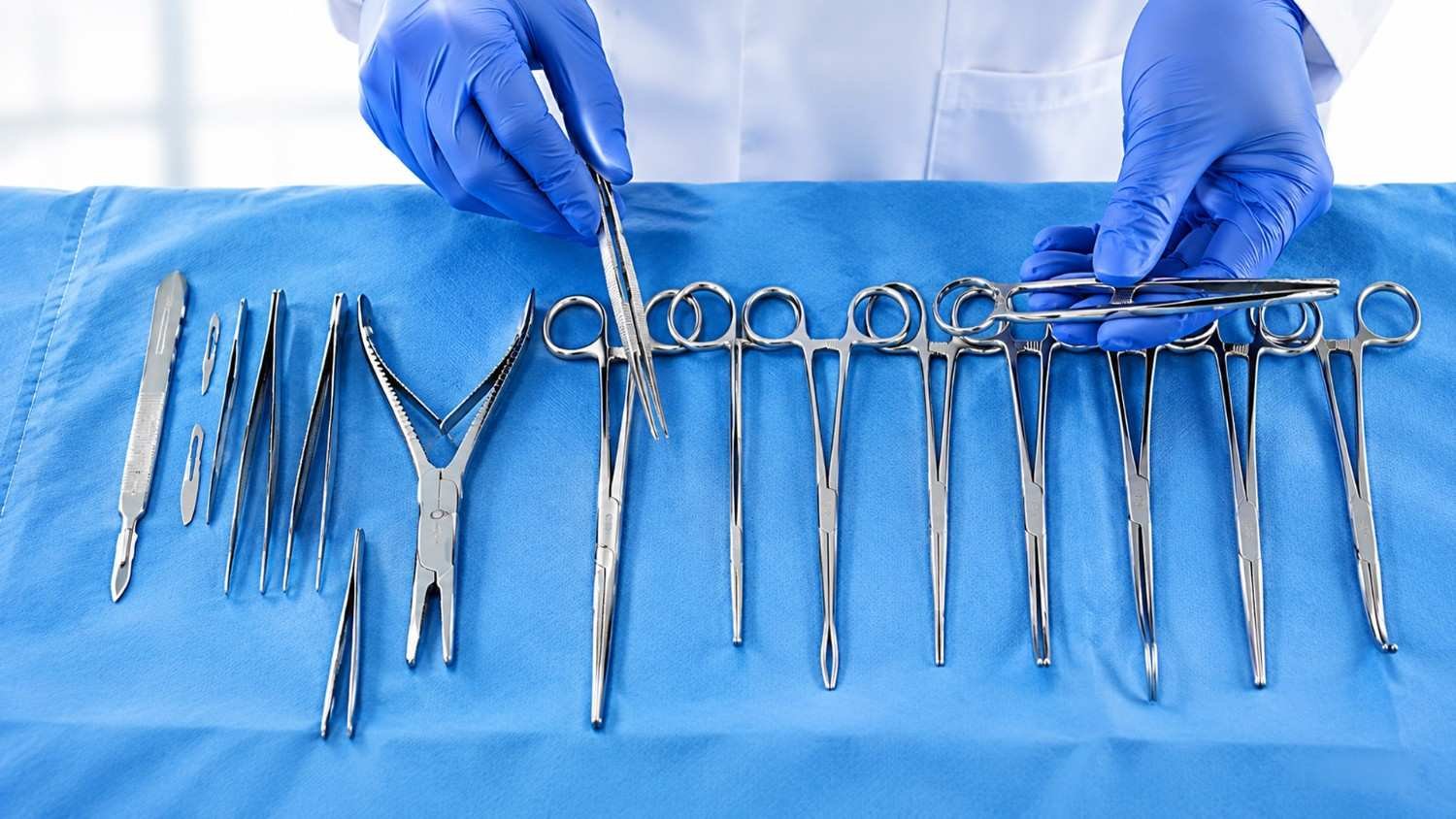
Cutting and Dissecting Instruments
Cutting instruments are used to make incisions, separate tissues, and make dissections. Examples are scalpels, surgical scissors, and special cutting instruments. The instruments need to have excellent sharpness and precision to be able to perform clean and controlled surgical operations.
Grasping and Holding Instruments
Tissues, blood vessels, or surgical materials are often held in place during procedures using forceps and clamps. They are used primarily for providing stability and enhancing surgical visibility, while minimizing tissue damage.
Hemostatic Instruments
Hemostatic instruments are manufactured for the purposes of controlling bleeding by clamping blood vessels during surgery. Good bleeding control is an important component of any operation to keep a surgeon’s field clean and clear of bleeding.
Retracting Instruments
Retractors help hold tissues and organs away from the surgical site, providing surgeons with better access and visibility. These tools are essential for accuracy in intricate operations.
Suturing and Closing Instruments
Wounds and surgical incisions are closed by needle holders and suturing instruments. Good wound closure can facilitate healing, minimize the risk of infection, and help improve aesthetic results for patients.
The Role of Instrument Quality in Modern Surgery
Surgical tools don’t function in the same way. Every instrument’s reliability, durability, and precision are affected directly by its quality of manufacture. Materials, such as German stainless steel or advanced titanium alloys, provide greater corrosion resistance, durability, and sterilization resistance.
More and more healthcare providers are realizing that the cost of investing in high-quality surgical equipment is:
- Consistent surgical performance
- Lower maintenance costs
- Extended instrument lifespan
- Improved patient outcomes
- Greater operational efficiency
Quality of instruments is no longer a mere buying decision these days but an integral part of patient care in the healthcare industry.
Why Healthcare Facilities Choose Trusted Manufacturers
Choosing an appropriate surgical instrument manufacturer is crucial for quality, compliance, and longevity. Manufacturers are required to offer precision engineering, thorough quality control, and adherence to global regulations, which are all desired by healthcare companies.
A trusted manufacturer should provide:
- ISO-certified manufacturing processes
- High-quality raw materials
- Advanced engineering expertise
- Strict quality assurance procedures
- Compliant to the highest global standards.
These factors help ensure that every instrument performs consistently under demanding surgical conditions.
AMG Medical’s Role in Enhancing Surgical Success
At AMG Medical, we know that each surgical instrument plays a role in the success of a procedure and the health of a patient. Precision, durability, and reliability are the key design considerations for our instruments, with the aim of the design being to help the healthcare professional attain a superior clinical outcome.
Through state-of-the-art manufacturing technologies, high-quality materials and rigorous quality control protocols, we create and supply surgical solutions that are in line with the international standards of healthcare. We support surgeons’ innovations and excellence, whatever their medical specialty, with our innovation and excellence.
Conclusion
Every instrument in surgery serves a critical purpose, from supporting precision and safety to improving efficiency and patient recovery. The quality and performance of surgical instruments directly influence procedural success and overall patient outcomes. As healthcare continues to advance, the demand for reliable, high-performance instruments will only grow.
Healthcare providers that invest in premium-quality surgical instruments are better equipped to deliver safe, efficient, and effective care. At AMG Medical, we remain dedicated to supporting this mission by providing precision-engineered surgical instruments that help healthcare professionals achieve the highest standards of surgical excellence.